
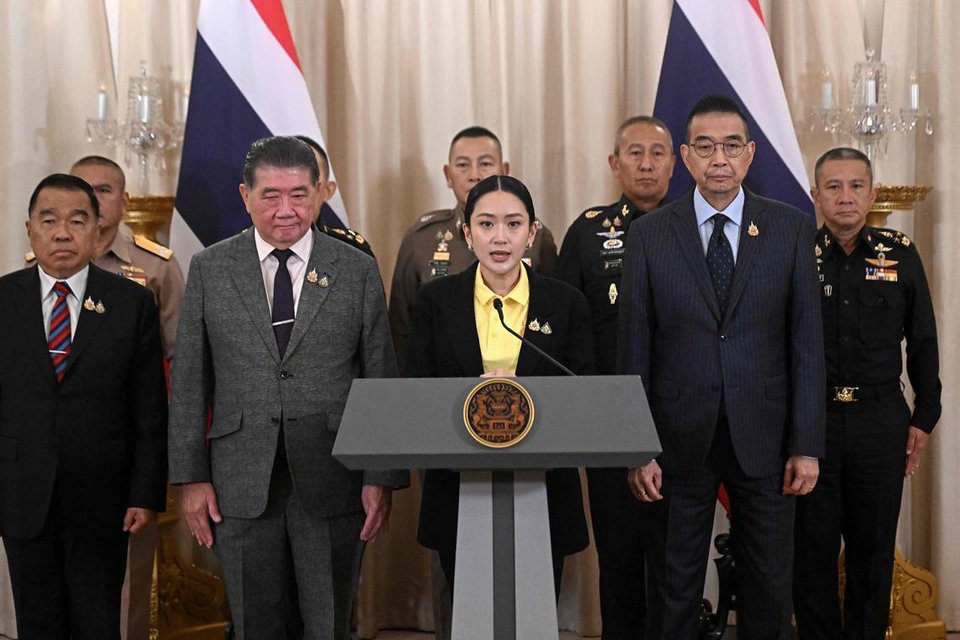
Thai PM Paetongtarn Apologizes for Leaked Call with Hun Sen as Political Crisis Erupts

Leaked Call Triggers Crisis in Thai Government
Thai Prime Minister Paetongtarn Shinawatra has issued a formal apology after a leaked phone call with former Cambodian leader Hun Sen sparked public outrage and political upheaval. The controversy has pushed her government to the edge of collapse, just months into her leadership.
The contents of the call—believed to include sensitive discussions on regional military cooperation and internal Thai politics—have not been officially confirmed but have caused deep rifts within her coalition and widespread condemnation from conservatives and the military establishment.
Coalition Collapses as Key Party Pulls Support
The Bhumjaithai Party, a powerful conservative force in Thailand’s ruling coalition, announced its withdrawal from the government on June 18, citing the leaked conversation as a betrayal of national dignity and military honor.
“The Prime Minister’s conduct has deeply wounded the country and disrespected the armed forces,” the party stated, calling her leadership “untenable.”
Without Bhumjaithai’s backing, Paetongtarn’s coalition now lacks a parliamentary majority, intensifying calls for her resignation or a snap election.
Paetongtarn Apologizes, But Stops Short of Resigning
In a televised address, Prime Minister Paetongtarn apologized for the fallout, expressing regret for the turmoil caused but did not offer her resignation.
“I take full responsibility for the consequences of this misunderstanding. I never intended to harm our national interest,” she said.
“At this moment, I ask the Thai people for their patience and trust as we work through this.”
Her remarks failed to calm critics, with several opposition leaders demanding she step aside for the sake of national stability.
Economic Concerns Mount Amid Political Turmoil
The political crisis comes at a fragile time for Thailand’s economy. The country is trying to revive growth post-pandemic, attract foreign investment, and avoid punitive trade tariffs from U.S. President Donald Trump, who has threatened harsh economic measures against nations seen as politically unstable or unreliable trade partners.
Financial markets reacted nervously, and analysts warned of investor pullback if the government falls.
Military’s Role in the Spotlight Again
The Thai military, historically a powerful player in national politics, has remained silent since the call surfaced. But insiders suggest growing tension between the military and the Shinawatra-led administration, with some senior officers reportedly furious over perceived interference and disrespect.
Given Thailand’s long history of coups and military-led transitions, the silence is being interpreted as a potential warning sign.
What’s Next for Thailand?
With her coalition fractured and public pressure building, Paetongtarn faces a tough decision: either resign, call fresh elections, or attempt to rebuild her government—a task that now seems increasingly unlikely.
Political analysts warn that a prolonged deadlock could paralyze governance, worsen economic woes, and reopen deep ideological divides between Thailand’s conservative royalist factions and the progressive base that supports the Shinawatra family.
A Critical Juncture for Thai Democracy
Prime Minister Paetongtarn’s apology has done little to quell the firestorm sparked by the leaked call. With her coalition crumbling and trust eroding fast, Thailand teeters on the brink of yet another political transformation. Whether she can salvage her leadership—or will be forced out—remains to be seen in the coming days.