
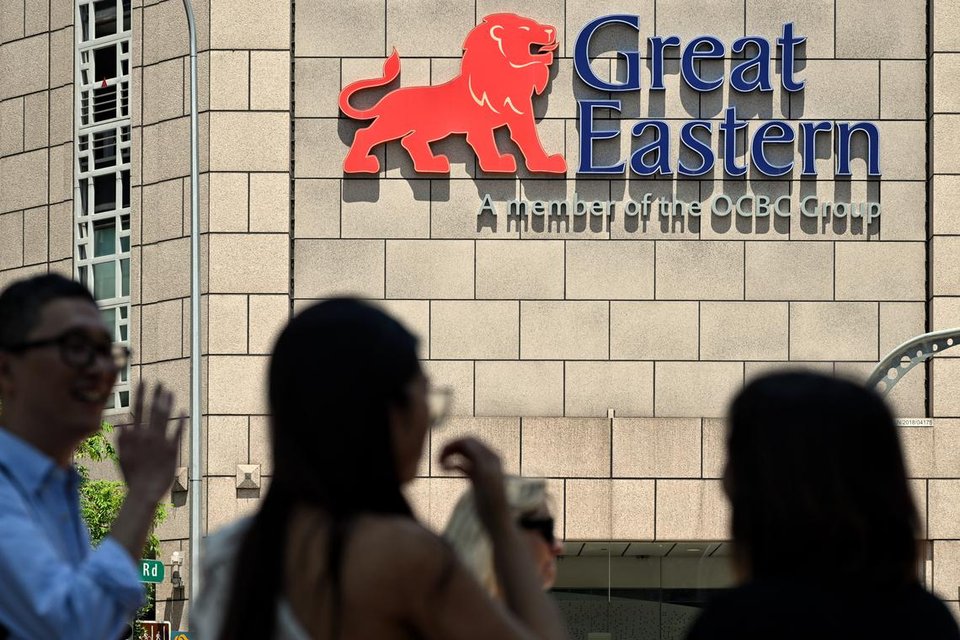
MOH Engages Great Eastern Over Suspension of Pre-Authorisation at Mount Elizabeth Hospitals

Singapore’s Ministry of Health (MOH) has stepped in to seek clarification from insurance provider Great Eastern (GE) after the company suspended pre-authorisation certificates for treatments at Mount Elizabeth and Mount Elizabeth Novena hospitals.
This move by one of Singapore’s largest Integrated Shield Plan (IP) insurers has raised concerns about potential disruptions for patients who rely on pre-authorised medical coverage for seamless admission and treatment.
What Happened?
In a message to its panel doctors earlier this week, Great Eastern announced that as of June 17, it would temporarily stop issuing pre-authorisation certificates for policyholders seeking treatment at Mount Elizabeth and Mount Elizabeth Novena hospitals.
This suspension means that GE policyholders may no longer receive upfront confirmation that their hospital bills will be covered — a process that typically provides financial assurance and smoother claims processing.
MOH’s Response: Insurers Must Honour Policies
In response to media queries, the MOH emphasized that all IP insurers must ensure their policyholders retain access to full policy benefits according to the terms in their contract — regardless of any internal or temporary administrative changes.
“IP insurers would have to ensure that policyholders continue to be able to access the full benefits of their policies in accordance with the terms and conditions for claims, as stated in their policy contracts,” said MOH in a statement.
MOH is currently engaging GE to understand the reasons for the suspension and to assess its impact on patient access and claims processes.
What Is Pre-Authorisation and Why It Matters
Pre-authorisation is a mechanism offered by IP insurers that allows patients to receive approval for hospital treatments before admission. It serves as a form of financial guarantee and often helps policyholders avoid disputes or delays in claims.
Without pre-authorisation:
- Policyholders may face uncertainty about out-of-pocket expenses
- Doctors may experience delays in treatment planning
- Claims processing may become more complex or prolonged
Why Mount Elizabeth Hospitals Are Affected
The specific reason behind GE’s decision to suspend pre-authorisation at Mount Elizabeth hospitals has not been disclosed publicly. However, such decisions are often linked to pricing disagreements, contract renegotiations, or administrative reviews between insurers and hospital groups.
Mount Elizabeth and Mount Elizabeth Novena are among Singapore’s top private hospitals and form part of the IHH Healthcare network, making them high-demand choices for policyholders seeking specialist treatment.
What Should Policyholders Do Now?
If you are a GE IP policyholder with an upcoming procedure at Mount Elizabeth or Mount Elizabeth Novena:
- Check with your doctor about any changes to the admission or billing process.
- Contact GE directly to confirm your claims coverage or to seek updated guidance.
- If necessary, consider alternative panel hospitals until the issue is resolved.
It is also advisable to keep a written record of all communication with your insurer and medical provider during this period.
Looking Ahead: Calls for Transparency and Patient Protection
This incident has renewed public interest in how Integrated Shield Plans are managed and the importance of transparency between insurers, healthcare providers, and regulators.
Consumer advocates are calling for clearer communication protocols to ensure patients are not caught off guard by sudden policy changes that can affect treatment access or financial security.
MOH Steps In to Safeguard Patient Interests
While Great Eastern has yet to provide a full public explanation, the Ministry of Health’s involvement signals its commitment to protecting patients’ rights and access to healthcare. As discussions continue, policyholders and healthcare providers alike will be watching closely for updates and resolutions.