
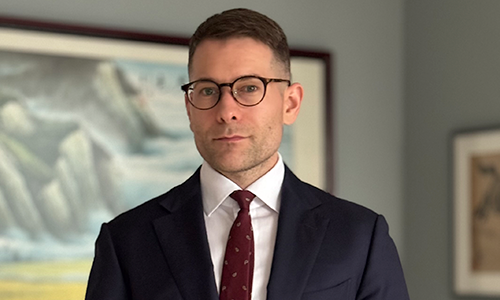

Swissquote, the digital financial services group has officially appointed Rafael M. Weber as Deputy Chief Executive Officer of Swissquote Singapore. This is a deal for Swissquote. It means they are making some changes to the people in charge of their business in Asia. They made this announcement on 9 February 2026. This shows that Swissquote is really committed to making their business in Asia stronger. Asia is an exciting place for finance right now and Swissquote wants to be a big part of it. Swissquote is working hard to make sure they have a presence, in this part of the world.
Rafael Weber has a lot of experience in the industry nearly 20 years. He has worked with banks and private wealth management companies. He has also worked with finance companies.
Before he got this job Rafael Weber joined Swissquote in 2021. At Swissquote Rafael Weber helped build a plan to engage with clients in Singapore. He also helped Swissquote grow in Asia, which’s a very competitive market, for wealth management. Rafael Weber did a job supporting the companys growth in this market.
Before he went to Swissquote Weber worked at UBS Singapore for five years. He was really good at helping people like asset managers and family offices. These are institutions that help money move around the world. Because Weber had experience working with clients he was able to help Swissquote build stronger relationships with smart investors in Singapore and other places. Swissquote was able to get to know these investors because of Webers background and experience with institutional clients, like the external asset managers and family offices.
Strategic Role in Singapore’s Wealth Hub
As the Deputy CEO Weber will work on making Swissquote bigger in Singapore. This is a place that has become very important for people who manage money and for technology. Singapore is a place to do business because the rules are fair and there are many big companies and organizations that can help. It is also in a spot, in Asia, which makes it a good place for Swissquote to grow. Swissquote is a financial platform and Singapore is a natural place for it to get bigger.
Weber will work closely with the leaders at Swissquote. He will help make sure that the service to clients is good and consistent. Weber will also build relationships with big partners like family offices and people who have a lot of money. This is important to Swissquote because they want to make sure they are good at working with people and also good at using technology. Swissquote wants Weber to help them work well with partners, like family offices, External Asset Managers and people who have a lot of money.
Swissquote Singapore is a place where people can get help with managing their money. They do things like keep an eye on accounts carry out trades and give people access to investments from around the world. The person in charge Weber wants Swissquote Singapore to give people the service, like the kind big institutions get and also use the latest technology. This way clients of Swissquote Singapore can get what they need like things being easy to use, safe and having access to lots of investment options all, in one place.
A Growing Focus on Asia
The appointment of Rafael Weber shows that the financial industry is changing. Big financial companies over the world are now focusing on Asia because people there have more money and they want to use digital financial services. Singapore is a place, for international banks, fintech companies and asset managers to set up their businesses. They like Singapore because it is a place to work from and they can serve their clients in the region from there. The financial companies think Singapore is a hub.
Weber’s experience and market insight are expected to help Swissquote sharpen its service offerings and strengthen its competitive position within Singapore’s wealth management landscape. As clients increasingly adopt digital platforms for execution-only services, Swissquote’s blend of technology and institutional support could become a compelling alternative to traditional private banking models.

