
Singapore’s National Institute of Education Cuts Postgraduate Teacher Training Program by Four Months — Faster Path to the Classroom

Singapore’s education system has long been regarded as one of the world’s best, thanks to its commitment to high standards and continuous improvement. Now, in a move that reflects the country’s forward-thinking approach, the National Institute of Education (NIE) is shortening its flagship Postgraduate Diploma in Education (PGDE) programme from 16 months to just one year. This significant change promises to fast-track teacher training, helping aspiring educators enter the workforce sooner while maintaining rigorous standards of teacher preparation.
Why Shorten the PGDE Programme?
The PGDE programme is the cornerstone of teacher training in Singapore. It equips graduates with the essential pedagogical knowledge and classroom skills to become effective educators in primary and secondary schools. Traditionally, the programme has taken 16 months to complete, including coursework, practicum, and assessments.
However, as the education landscape evolves, so do the needs of both teachers and students. There is an increasing demand for timely recruitment of well-prepared teachers to support Singapore’s growing and diversifying student population. By reducing the programme length, NIE aims to address teacher shortages and help schools fill vacancies more quickly.
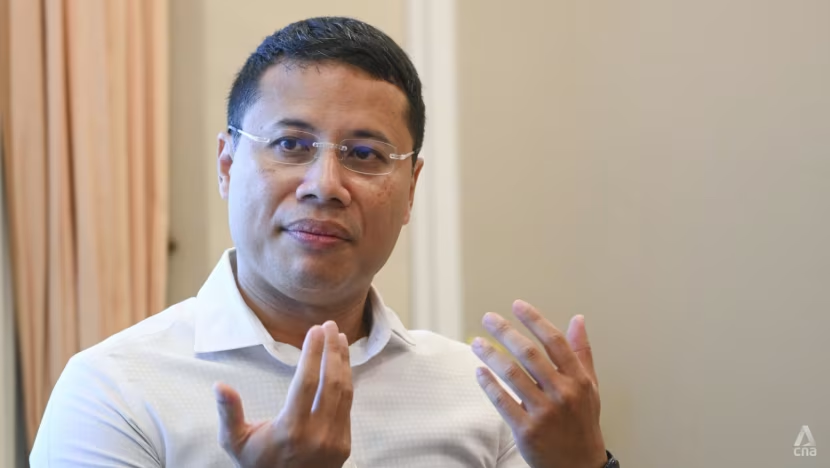
Desmond Lee, Minister for National Development, recently announced the refreshed PGDE programme, highlighting the government’s support for a more efficient and relevant teacher training pathway.
“This revision reflects our commitment to making teacher training more responsive and efficient, so that we can attract and nurture passionate educators ready to meet the challenges of modern classrooms,” he said.
What Changes with the New One-Year PGDE Programme?
The new one-year PGDE is designed to retain the core learning objectives of the previous course while making the journey more streamlined. Here are some key features of the updated programme:
- Condensed Curriculum: Coursework and practicum components have been carefully reviewed and condensed to fit within 12 months without compromising depth or quality.
- Focused Practicum: The school practicum, a critical hands-on training period where trainee teachers gain real classroom experience, has been optimized for greater impact within a shorter timeframe.
- Integrated Learning: The programme uses blended learning approaches, combining face-to-face sessions with digital modules to allow more flexible and efficient learning.
- Relevant Content: Course materials are refreshed to better address current educational challenges, including digital literacy, student mental health, and differentiated instruction techniques.
Benefits for Aspiring Teachers
For teacher trainees, the shortened PGDE programme offers several advantages:
- Faster Entry into the Workforce: Completing the diploma in a year means trainees can start teaching sooner, reducing the wait time between graduation and employment.
- Cost Efficiency: Less time in training potentially lowers living and educational costs for trainees, making the profession more accessible.
- Up-to-Date Training: The refreshed curriculum ensures trainees learn the latest teaching methodologies and technologies, better preparing them for modern classrooms.
- Increased Flexibility: The use of blended learning and revised practicum arrangements makes it easier for trainees to balance training demands with personal commitments.
How Does This Affect Singapore’s Schools?
Singapore’s schools will likely see the benefits of faster teacher preparation quickly. The education ministry has identified a need for more qualified teachers across several subject areas, particularly STEM (Science, Technology, Engineering, and Mathematics) and special education.
The quicker turnaround from enrolment to graduation helps schools address shortages promptly and maintain high teaching standards. Additionally, well-prepared teachers trained under the refreshed curriculum are expected to bring new skills and energy to their classrooms.
Maintaining Quality Standards
One concern with shortening any professional training programme is whether the quality and depth of learning might suffer. NIE has taken steps to ensure this is not the case. The programme’s redesign involved extensive consultation with education experts, school leaders, and former trainees to identify essential components that must be preserved.
Assessment methods remain rigorous, ensuring that graduates meet the competency standards required by the Ministry of Education. The practicum experience, a cornerstone of teacher preparation, continues to provide real-world classroom immersion, which is vital for building confidence and teaching skills.
Supporting Career-Long Development
The one-year PGDE marks the start of a teacher’s professional journey, not the end. Singapore’s education system emphasizes continuous professional development, providing teachers with ongoing training opportunities throughout their careers.
After qualifying, new teachers enter mentoring and induction programmes designed to support their transition into full-time teaching roles. The Ministry of Education and schools also offer workshops and courses on new pedagogical strategies and curriculum updates.
This ongoing support means that even though initial training is shorter, teachers continue to grow their skills and expertise as they gain classroom experience.
Addressing Challenges Ahead
While the programme shortening has clear benefits, it also comes with challenges:
- Adapting to Intensive Learning: Trainees will experience a more intensive learning schedule, requiring strong time management and resilience.
- Ensuring Practicum Quality: Compressing practicum time demands careful coordination with schools to maximize the training experience.
- Monitoring Outcomes: NIE and the Ministry of Education will closely monitor graduate performance and feedback to ensure the programme’s effectiveness and make adjustments if needed.
Looking to the Future
Singapore’s decision to shorten the PGDE is part of a broader trend in education worldwide, where institutions seek to balance quality training with efficiency and relevance. The move signals a pragmatic response to the realities of teacher supply and demand, while still prioritizing the high standards that have made Singapore’s education system successful.
For aspiring teachers, this change offers an accelerated path to a rewarding career. For schools and students, it promises a steady stream of well-trained educators ready to inspire the next generation.
The National Institute of Education’s revamp of the Postgraduate Diploma in Education programme is a bold step to modernize and streamline teacher training in Singapore. By reducing the duration from 16 months to one year, the new programme aims to better meet the needs of aspiring teachers, schools, and ultimately students.
With a focus on maintaining quality, incorporating relevant content, and providing practical experience, the refreshed PGDE programme promises to produce competent, confident teachers ready to thrive in today’s dynamic classrooms.
This move demonstrates Singapore’s ongoing commitment to innovation in education and its recognition of teachers as the cornerstone of future success.