
Singapore May Cut Monetary Policy to Combat Global Slowdown from Trump’s Tariffs

Singapore’s economy is bracing for impact as global trade tensions, fueled by the US’s aggressive tariff policies, threaten to slow down economic growth. With the world economy facing uncertainty, many analysts now expect the Monetary Authority of Singapore (MAS) to take action sooner than expected. The country’s central bank may ease its monetary policy as early as April 14 to shield Singapore’s economy from the global slowdown.
So, what’s behind this shift in policy, and what does it mean for Singapore’s financial future? Let’s take a closer look.
Why the Shift in Monetary Policy?
Up until recently, experts believed that the Monetary Authority of Singapore (MAS) would wait until July to adjust its monetary stance. However, as trade tensions continue to escalate—largely due to the US imposing tariffs on global goods—analysts now believe that MAS will act earlier. The revised expectations come as Singapore faces mounting pressure from a potential global recession spurred by these tariffs.
The US tariffs, which have targeted key industries around the world, including in Asia, are causing a ripple effect that could impact Singapore’s export-driven economy. With slower global growth, Singapore’s policymakers are faced with a tough choice: act now to protect their economy or risk being caught in the storm of international economic turbulence.
What Is Monetary Easing?
Monetary easing refers to the process where a central bank, in this case, MAS, takes steps to stimulate the economy. One common approach is to slow the appreciation of the national currency—in Singapore’s case, the Singapore dollar (SGD). The idea is that by allowing the currency to appreciate more slowly (or even weaken a bit), it can make exports cheaper and more competitive, helping to buffer against a slowdown in global demand.
In simpler terms, monetary easing could make Singaporean goods cheaper on the global market, boosting exports, and helping Singapore’s businesses weather the storm of global economic uncertainty.
Why Is This Happening Now?
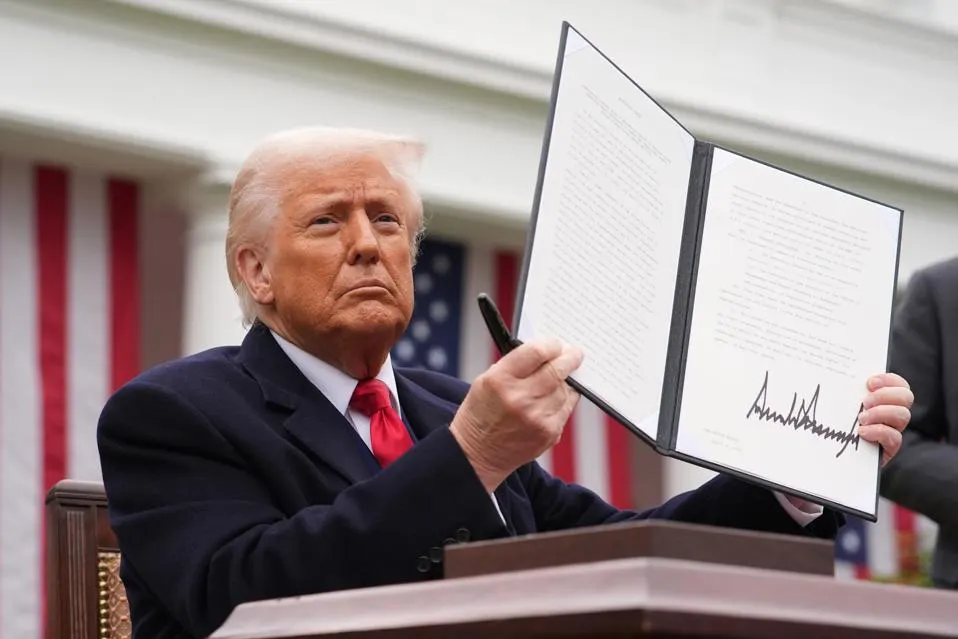
The global economy is facing turbulence due to the escalating trade tensions between the US and other major economies. President Donald Trump’s decision to impose tariffs on a wide range of goods has sparked fears of a trade war, which could hurt global economic growth. While tariffs are intended to protect US industries, they can have the opposite effect globally by raising the cost of goods and reducing the volume of trade.
For countries like Singapore, which relies heavily on exports and international trade, the impact can be especially severe. When global demand slows down, it can hurt local businesses that rely on foreign customers. By easing the monetary policy, the MAS hopes to mitigate these effects and support Singapore’s economy.
What Will the MAS Do?
The key tool at the MAS’s disposal is the management of the Singapore dollar’s nominal effective exchange rate (S$Neer). This is a measure of the Singapore dollar’s value relative to the currencies of its major trading partners, adjusted for inflation.
In practical terms, slowing the appreciation of the Singapore dollar means that MAS would allow the currency to grow in value more slowly, making Singapore’s exports more attractive. The idea is to provide more breathing room for local businesses to remain competitive in the global marketplace.
This shift in policy is important because it signals that Singapore is taking a proactive approach to safeguarding its economy from the risks posed by the US’s trade war tactics. Analysts are now betting that MAS will adjust the S$Neer more quickly than initially expected, possibly making this a crucial moment for Singapore’s economic strategy.
What Does This Mean for Singaporeans?
For the average Singaporean, a shift in monetary policy could mean a few different things. Firstly, a slower appreciating currency could help Singapore’s exporters by making their goods cheaper abroad. This could potentially prevent job losses in industries that rely on global trade.
However, there are also some risks. If the Singapore dollar weakens too much, it could lead to higher costs for imports. While Singapore is a major exporter, it also imports a lot of goods, particularly from countries like China and the US. If the dollar weakens significantly, it could raise the prices of imported goods, making daily necessities more expensive for consumers.
What’s at Stake for the Singapore Economy?
Singapore is one of the world’s most trade-dependent economies. In fact, it’s considered one of the world’s busiest trading hubs, thanks to its strategic location and strong connections to major global markets. The city-state’s economy thrives on imports and exports, with a strong reliance on global manufacturing, finance, and technology sectors.
As such, the global economic slowdown caused by tariff increases is a significant risk for Singapore. Slower global growth can reduce demand for exports, which could cause businesses to cut back on production or even close down. This, in turn, could lead to higher unemployment, slower wage growth, and lower investment in the country’s infrastructure and future projects.
By easing its monetary policy, MAS aims to minimize the damage to Singapore’s trade-reliant economy and ensure that it remains competitive in a world where protectionism and tariffs are becoming more common.
Could Singapore Be Heading for a Recession?
While there’s no definitive answer, many analysts believe that the global trade slowdown could tip Singapore’s economy into a technical recession, especially if trade tensions with the US continue to escalate. A technical recession is defined as two consecutive quarters of negative economic growth, and with the uncertainty brought by tariffs, Singapore’s economy could be at risk.
However, MAS’s early monetary easing might be just the lifeline Singapore needs to avoid a downturn. By keeping the Singapore dollar’s appreciation in check and stimulating the economy, MAS can potentially help Singapore avoid a recession, or at the very least, soften the impact of a global slowdown.
Looking Ahead: What’s Next for Singapore’s Economy?
With the next MAS monetary policy meeting scheduled for April 14, all eyes are on the central bank’s decision. Analysts are watching closely to see how aggressively MAS will move to manage the Singapore dollar’s appreciation. If the bank acts earlier than expected, it could signal that Singapore is bracing for a storm—and is taking proactive measures to ensure its economy can weather the uncertainty ahead.
For Singaporeans, it’s a time to stay informed. Whether you’re a business owner, an investor, or just someone trying to navigate the current economic climate, understanding the potential shifts in Singapore’s monetary policy will be crucial in making smart financial decisions.
Singapore’s central bank is preparing to take action as global economic pressures mount due to the US’s tariffs. With expectations that the Monetary Authority of Singapore (MAS) will ease its monetary policy as soon as April 14, Singapore is positioning itself to defend against a global economic slowdown. By slowing the pace of the Singapore dollar’s appreciation, the country aims to support local businesses and maintain its position as a major global trade hub.
As the situation continues to evolve, all eyes will be on MAS and its next steps. For now, Singaporeans are preparing for the potential impacts of these changes, hoping that the monetary easing will help steer the country through uncertain times.

