
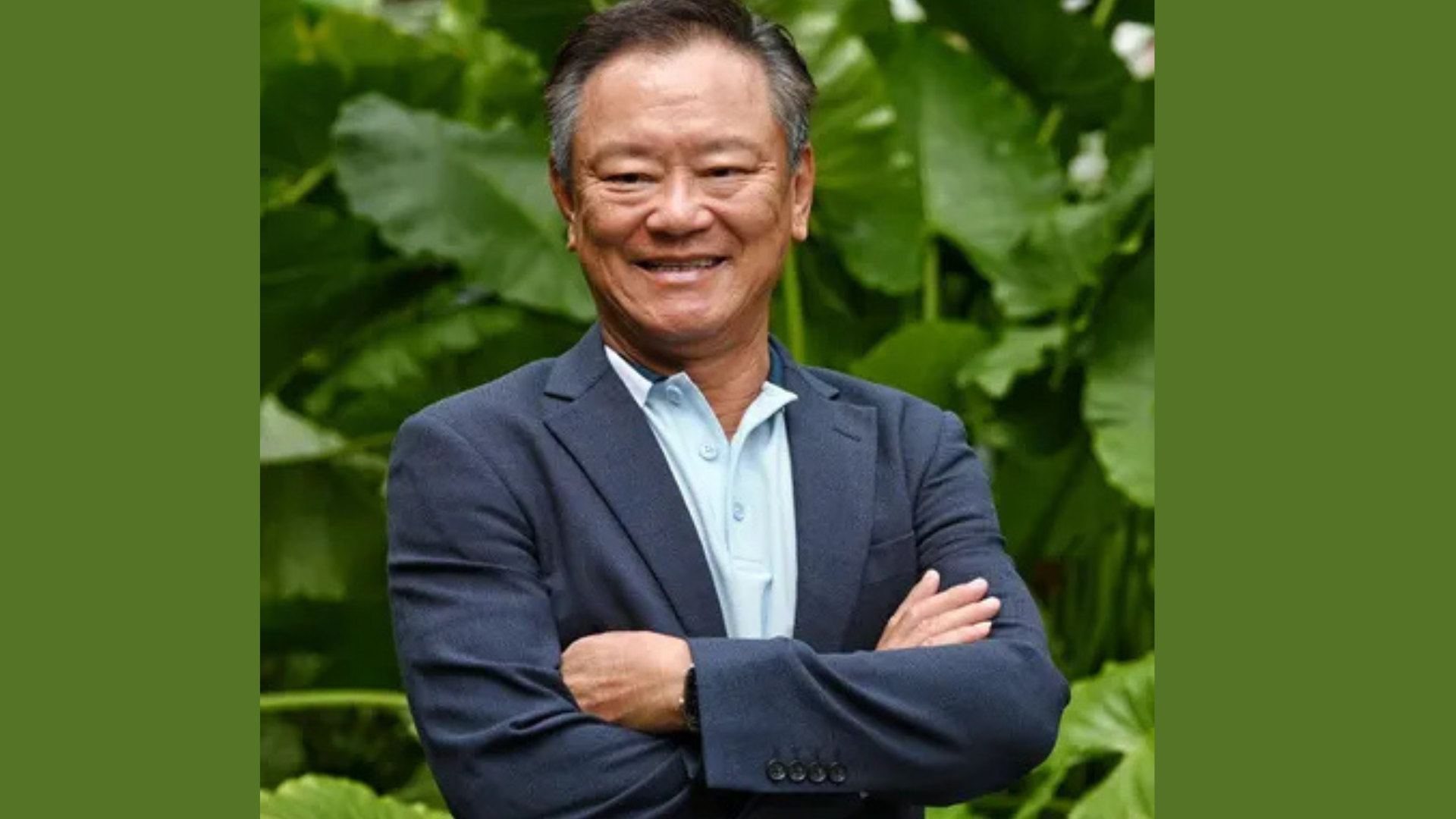

As Singapore’s tourism sector enters a new phase of recovery and growth, hospitality CEOs across the city-state are reporting robust forward bookings for 2026, signaling renewed confidence following years of global uncertainty. With deliberate marketing initiatives, strategic partnerships, and rising demand from key source markets, hoteliers are optimistic about sustained occupancy growth and revenue per available room (RevPAR) improvements.
A Resurgent Tourism Landscape
Singapore’s hospitality industry has rebounded strongly post-pandemic, driven by both leisure and business travel demand. Events such as major international conferences, global sports meets, and lifestyle festivals have attracted diverse visitor segments. Business travel, which took longer to recover than leisure tourism, is now showing steady momentum—an essential factor for upscale and business-oriented hotels.
CEOs cite forward bookings extending well into the middle of 2026 as evidence that demand is not only picking up but stabilising. This trend reflects proactive travel planning by international visitors, confidence in flexible travel policies, and Singapore’s continued position as a regional hub for business and leisure.
Strategic Leadership Drives Performance
Hospitality leaders are adopting forward-looking strategies to capitalise on this momentum. According to industry executives:
- Dynamic pricing and revenue management tools are being leveraged to optimise rates in real time, ensuring hotels balance occupancy and profitability.
- Loyalty programmes and cross-brand partnerships are fostering repeat stays and capturing high-value travellers.
- Investments in digital guest experiences, including mobile check-in/out, personalised offers, and enhanced in-stay services, are improving guest satisfaction and loyalty.
CEOs emphasise the importance of data-driven decision making in tailoring offerings to evolving traveler preferences. Understanding booking patterns—such as longer stays from leisure tourists and earlier reservations from corporate clients—has allowed hotel groups to better allocate inventory and forecast demand with higher accuracy.
Regional Tourists Lead the Charge
While Singapore attracts travellers from around the world, regional markets in Asia Pacific are driving much of the forward booking growth. Countries such as China, South Korea, India, and Indonesia have emerged as key contributors to visitor arrivals, boosted by improved air connectivity and increased flight frequencies. Tourism boards and hotel chains have partnered on targeted promotions to tap into this pent-up travel demand.
CEOs also note that short-haul leisure travellers are booking earlier and staying longer, a behaviour shift that supports mid-week occupancies that traditionally lag behind weekend bookings. This pattern is beneficial for Singapore’s hotels, which aim for balanced utilisation throughout the week.
Business Travel Regains Traction
Corporate travel, once subdued due to remote work and virtual meetings, is making a notable comeback. Hospitality CEOs report a growing pipeline of MICE (Meetings, Incentives, Conferences, Exhibitions) bookings from multinational companies—especially for events scheduled in late 2025 and throughout 2026.
Senior executives highlight that hybrid events and tech-enabled conference spaces are key drivers of demand. Hotels that have invested in flexible venues equipped with advanced audiovisual and networking technologies are winning more contracts for large-scale corporate gatherings.
Challenges and Strategic Responses
Despite the positive outlook, leaders acknowledge ongoing challenges:
- Labour shortages remain a pressing concern, prompting hotels to invest in staff training and automation where possible.
- Inflationary pressure on operating costs, particularly for utilities and supplies, requires careful financial planning and efficiency enhancements.
- Competitive pricing from regional destinations demands continuous innovation in service offerings and value propositions.
To counter these, CEOs are prioritising staff retention through career development programmes and enhancing operational effectiveness with technology adoption, such as AI-based guest support and automated back-office systems.
Looking Ahead
Overall, hospitality CEOs in Singapore are entering 2026 with strong forward visibility and strategic confidence. With diversified traveller segments, smart revenue strategies, and solid forward bookings, the sector is poised for a year of growth and resilience.
As global travel trends continue to evolve, Singapore’s hospitality leadership remains focused on delivering world-class guest experiences while navigating industry challenges with agility and foresight.

