
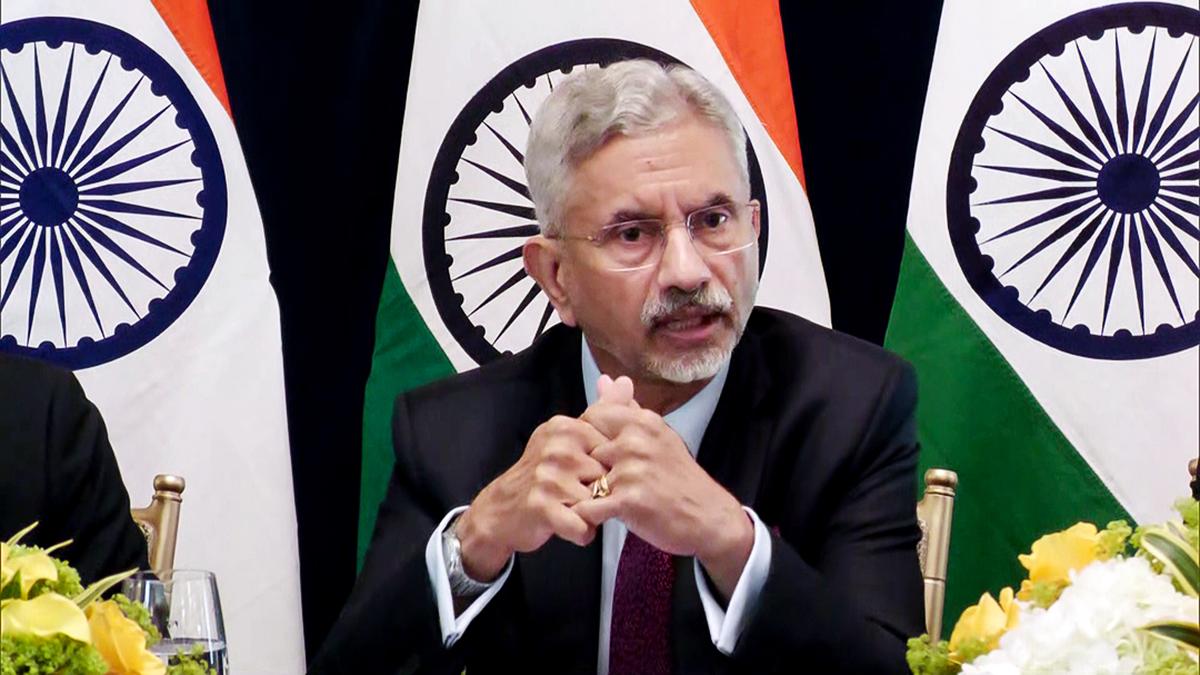

India’s External Affairs Minister, Dr. S. Jaishankar, is scheduled to visit Singapore and China from July 13, 2025, marking an important phase in India’s diplomatic efforts in the Indo-Pacific region. His tour comes at a crucial time as India navigates complex bilateral relations, regional security challenges, and economic cooperation frameworks.
This visit holds particular significance given the ongoing strategic recalibrations in Asia following recent geopolitical tensions, most notably between India and China. It also underscores India’s commitment to strengthening ties with key regional partners like Singapore and engaging multilaterally through forums such as the Shanghai Cooperation Organisation (SCO).
Singapore: Reinforcing Strategic and Economic Partnerships
Dr. Jaishankar’s visit to Singapore reflects the growing importance India places on its relationship with this Southeast Asian financial and technological hub. Singapore is not only a key trade partner but also a critical link in India’s broader Indo-Pacific strategy.
Scheduled Meetings and Diplomatic Focus
During his visit, Jaishankar will meet Singapore’s Foreign Minister and other senior leaders to discuss issues ranging from bilateral trade and investment to regional security cooperation. These talks will build on ongoing dialogues aimed at deepening economic ties, especially in technology, finance, and sustainable development.
India and Singapore have historically maintained close diplomatic and economic relations, with Singapore being a vital source of investment and a gateway for Indian enterprises in Southeast Asia. The two nations also cooperate extensively on counter-terrorism, cybersecurity, and maritime security — all critical given the strategic importance of the South China Sea and surrounding waters.
Expanding People-to-People and Cultural Ties
Beyond governmental engagement, there is an emphasis on cultural diplomacy and enhancing people-to-people ties. Singapore hosts a large Indian diaspora that plays a significant role in bridging the two countries socially and economically.
Singapore’s leadership has been supportive of India’s growing role on the global stage, and the country regularly participates in India’s flagship initiatives like the International Solar Alliance and Smart Cities Mission.
China Visit: Attending the Shanghai Cooperation Organisation (SCO) Summit
Following his Singapore visit, Dr. Jaishankar will travel to Tianjin, China, to attend the SCO conclave, an annual summit gathering leaders of the Eurasian bloc focused on regional security, economic cooperation, and political coordination.
Background: India-China Relations Since 2020
This will be Jaishankar’s first official visit to China since the bilateral relationship suffered a major setback following the 2020 military standoff along the Line of Actual Control (LAC) in eastern Ladakh. The clashes resulted in casualties on both sides and ushered in a period of heightened tension, with diplomatic and military-level talks aimed at de-escalation.
Since then, efforts to normalize ties have been slow and cautious, with both sides wary but committed to dialogue. Jaishankar’s visit signals a willingness to engage directly at the diplomatic level to manage differences and explore pathways for cooperation.
The Significance of the SCO for India and China
The Shanghai Cooperation Organisation is a crucial platform for India and China to interact multilaterally. The SCO includes member states such as Russia, Kazakhstan, Kyrgyzstan, Tajikistan, Uzbekistan, and Pakistan, among others.
India joined the SCO as a full member in 2017, viewing the group as an important forum to enhance regional security, counter-terrorism efforts, and economic connectivity. For China, the SCO is a mechanism to extend its influence in Central Asia and balance Western power in the region.
At this year’s summit, India is expected to emphasize the importance of regional peace and security, particularly in the context of Afghanistan and cross-border terrorism. Discussions will likely cover economic integration, energy cooperation, and joint efforts against drug trafficking and organized crime.
Broader Regional and Global Context
Indo-Pacific Dynamics
Jaishankar’s diplomatic tour occurs amid shifting dynamics in the Indo-Pacific region, where strategic competition between the US, China, and their respective allies plays out across trade, security, and technology domains.
India is positioning itself as a major regional power seeking to maintain a balance between cooperation and assertiveness. Its strategic partnerships with countries like Singapore, Australia, Japan, and the US reflect this approach.
The visit also highlights India’s intent to support a “free, open, and inclusive” Indo-Pacific — a concept championed by democratic nations to ensure freedom of navigation, respect for sovereignty, and economic integration in the face of assertive moves, especially in the South China Sea.
Trade and Economic Cooperation
Trade relations are a core component of Jaishankar’s agenda. Singapore is among India’s top trading partners in Southeast Asia, with bilateral trade exceeding US$30 billion annually. Both countries are exploring ways to enhance digital economy collaboration, smart infrastructure, and green energy projects.
With China, economic ties are complex but substantial. Despite political tensions, China remains one of India’s largest trading partners, although concerns persist about trade imbalances and market access. The SCO offers a venue to discuss cooperative economic ventures, particularly in connectivity and infrastructure, which can benefit the broader Eurasian region.
Managing Tensions with China
The military standoff in Ladakh underscored long-standing border disputes and strategic mistrust. Since 2020, multiple rounds of military and diplomatic talks have sought to defuse tensions, though progress has been uneven.
Jaishankar’s visit aims to reinforce dialogue channels at a high political level, providing opportunities to clarify positions, discuss de-escalation measures, and explore confidence-building steps.
India also seeks to signal its continued commitment to multilateralism and regional stability, resisting pressure to align exclusively with any power bloc while protecting its sovereign interests.
Challenges and Expectations
While the visit opens important diplomatic doors, significant challenges remain:
- Border Disputes: The unresolved LAC situation continues to strain India-China relations.
- Geopolitical Rivalry: Competing interests in the Indo-Pacific, including alliances like AUKUS and the Quad, complicate interactions.
- Economic Competition: Trade imbalances and market access issues between India and China persist.
- Regional Stability: Managing threats such as terrorism, insurgency, and instability in Afghanistan remains a priority in SCO discussions.
Despite these hurdles, the visits reaffirm India’s proactive diplomatic strategy — engaging key partners, leveraging multilateral forums, and balancing relationships amid a complex global order.
EAM Jaishankar’s tour to Singapore and China from July 13, 2025, represents a critical diplomatic endeavor aimed at strengthening India’s strategic partnerships and managing challenging bilateral ties. In Singapore, the focus will be on expanding economic and security cooperation with a trusted regional partner. In China, participation in the SCO summit signals India’s readiness to engage multilaterally and sustain dialogue despite ongoing tensions.
The tour reflects India’s broader foreign policy goal of promoting stability, economic growth, and regional integration in Asia — all while safeguarding its national interests and projecting itself as a responsible global actor.
As the geopolitical landscape evolves, India’s diplomatic efforts through visits like these will continue to shape its role in the 21st-century world order.