
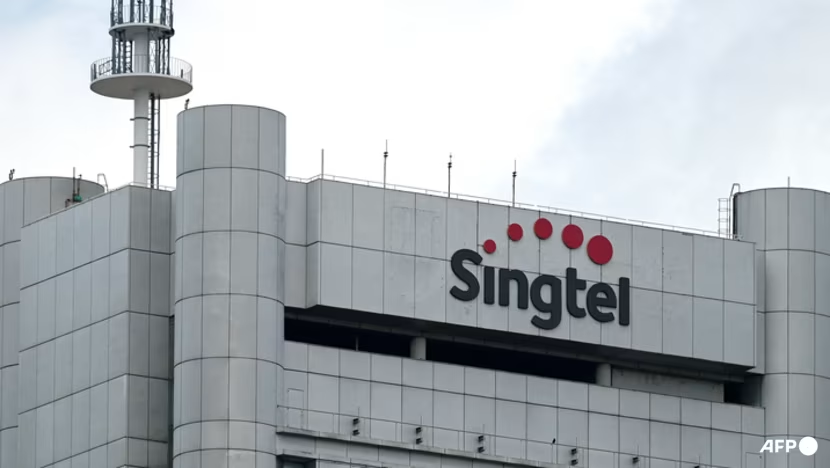
Singtel’s 9-Hour Network Crash Sparks Outrage: CEO Apologizes and Reveals What Really Went Wrong

Singtel Outage Leaves Customers Frustrated for Days
Telecom giant Singtel recently faced a wave of customer frustration after a series of network outages disrupted services across Singapore. The most severe incident occurred on March 16, when users experienced a major disruption that lasted more than nine hours.
For many customers, this wasn’t just a minor inconvenience. Internet access, mobile connectivity, and daily digital activities were affected, leaving people struggling to work, communicate, and stay connected.
The situation quickly gained attention, especially as issues continued over the next two days, making it three consecutive days of service problems.
CEO Steps Forward With Public Apology
In response to the backlash, Ng Tian Chong, CEO of Singtel Singapore, publicly apologized on March 19.
He acknowledged the seriousness of the situation and admitted that the disruption should never have happened. His statement aimed to reassure customers that the company understands the impact of the outage and is taking it seriously.
The apology was a crucial step, especially as customers demanded accountability and clearer explanations after facing repeated connectivity failures.
What Caused the 9-Hour Disruption?
According to Singtel, the primary cause of the major outage on March 16 was a mechanical fault. While the company did not go into highly technical details, the issue appears to have been linked to a failure in physical network infrastructure rather than software or cyber-related problems.
Mechanical faults in telecom systems can include failures in hardware components such as switches, routers, or power systems. When such components fail, large sections of the network can go offline, leading to widespread disruptions.
This kind of issue can be particularly challenging because fixing it often requires physical intervention, diagnostics, and testing before services can be fully restored.
Three Days of Connectivity Problems
What made the situation worse for customers was that the disruption wasn’t limited to a single incident. Users reported issues on three consecutive days starting from March 16.
While the first outage was the longest and most severe, the following days also saw intermittent connectivity problems. This raised concerns among customers about the reliability of Singtel’s network and whether the root cause had been fully addressed.
For many, the repeated disruptions eroded trust and sparked questions about the company’s infrastructure resilience.
Why This Matters More Than Ever
In today’s digital world, connectivity is no longer optional—it’s essential. From remote work and online education to digital payments and entertainment, people rely heavily on stable internet and mobile services.
When a major provider like Singtel experiences outages, the ripple effects can be significant. Businesses may lose revenue, employees may miss deadlines, and individuals may feel cut off from essential services.
This incident highlights how critical it is for telecom companies to maintain strong, reliable infrastructure and have effective backup systems in place.
Customer Reactions and Growing Concerns
Unsurprisingly, many customers took to social media and online forums to express their frustration. Complaints ranged from missed work calls to disrupted online transactions.
Some users questioned why there weren’t faster updates or clearer communication during the outage. Others demanded compensation or better service guarantees moving forward.
The incident has sparked a broader conversation about service reliability and transparency, especially in an industry where customers expect near-constant uptime.
What Singtel Is Doing Next
Following the outage, Singtel has indicated that it is investigating the issue thoroughly and reviewing its systems to prevent similar incidents in the future.
While specific measures have not been fully detailed, such steps typically include:
Strengthening Infrastructure
Upgrading or replacing faulty hardware components to reduce the risk of mechanical failures.
Improving Monitoring Systems
Enhancing real-time monitoring to detect and respond to issues faster before they escalate.
Better Communication
Providing clearer and more timely updates to customers during disruptions.
These actions are crucial for rebuilding trust and ensuring customers feel confident in the company’s services again.
Lessons for Telecom Providers
This incident serves as a reminder for telecom companies worldwide. Even well-established providers are not immune to technical failures.
Key takeaways include:
The Importance of Redundancy
Backup systems and fail-safes can help minimize downtime when primary systems fail.
Transparency Matters
Clear communication during outages can significantly improve customer perception, even in difficult situations.
Proactive Maintenance
Regular checks and upgrades of physical infrastructure can prevent unexpected breakdowns.
Final Thoughts
The Singtel outage is a clear example of how even a single mechanical fault can disrupt millions of lives in a connected world. While the company has apologized and begun addressing the issue, rebuilding customer trust will take time and consistent performance.
For now, customers will be watching closely to see how Singtel responds and whether it can deliver the reliability they expect.

