
NUS Singapore History Prize Doubles to $100,000, Expands to Arts and Multimedia

In an exciting development, the National University of Singapore (NUS) has just announced that the prestigious NUS Singapore History Prize is now worth double its previous amount. Not only that, but the prize will also open its doors to arts and multimedia projects, making it more inclusive than ever before.
Introduction: What’s New About the NUS Singapore History Prize?
The NUS Singapore History Prize has long been recognized as the most prestigious award for historical research in Singapore. It celebrates excellence in historical scholarship and rewards outstanding works that explore Singapore’s rich and diverse history.
As of April 1, the prize has undergone a major transformation. The award amount has been doubled from $50,000 to $100,000, making it the richest history prize in the country. In addition to the increased monetary value, the prize will now also be open to arts and multimedia submissions, reflecting the evolving nature of historical storytelling.
This is a significant change for the prestigious award, which has been instrumental in showcasing the country’s history through books and research papers. Let’s dive deeper into the changes and what they mean for future winners.
What Does the Prize Now Include?
1. Increased Prize Money: A Bigger Reward for Excellence
The decision to double the prize money to $100,000 is not just about increasing the cash reward—it also shows the growing importance placed on preserving and sharing Singapore’s historical narratives. The prize will continue to be awarded every three years, but the enhanced financial reward makes it even more attractive to researchers, writers, and creators working to capture Singapore’s complex and rich history.
2. Openness to Arts and Multimedia: A Broader Approach to History
In addition to books and research papers, the prize will now also accept submissions in arts and multimedia formats. This change opens up exciting possibilities for creatives who wish to present history in innovative ways—whether through documentaries, graphic novels, interactive websites, art installations, or even virtual reality projects.
The inclusion of multimedia and artistic formats acknowledges that history is not just told through words. Visual art, film, and digital media can provide new ways to engage audiences and tell historical stories that resonate with modern-day viewers. It also highlights the growing trend of incorporating technology and creative formats into the world of academic history.
Who is Behind the Prize?
The NUS Singapore History Prize is generously funded by an anonymous donor. The donor has increased the prize’s endowment, making this transformation possible. The award aims to honor works that make a significant contribution to the study of Singapore’s past and its people.
Through this donation, the anonymous donor is not only supporting the advancement of historical scholarship but also encouraging a more diverse range of mediums for historical storytelling.
Notable Past Winners of the NUS Singapore History Prize
Over the years, the NUS Singapore History Prize has been awarded to some of the country’s most celebrated historians. Here are just a few notable winners:
- Professor John Miksic: The inaugural winner in 2013, Miksic’s book Singapore and the Silk Road of the Sea, 1300-1800 explores Singapore’s historical role in global trade and culture. His groundbreaking work was recognized for its depth of research and contribution to the understanding of Singapore’s historical position in the world.
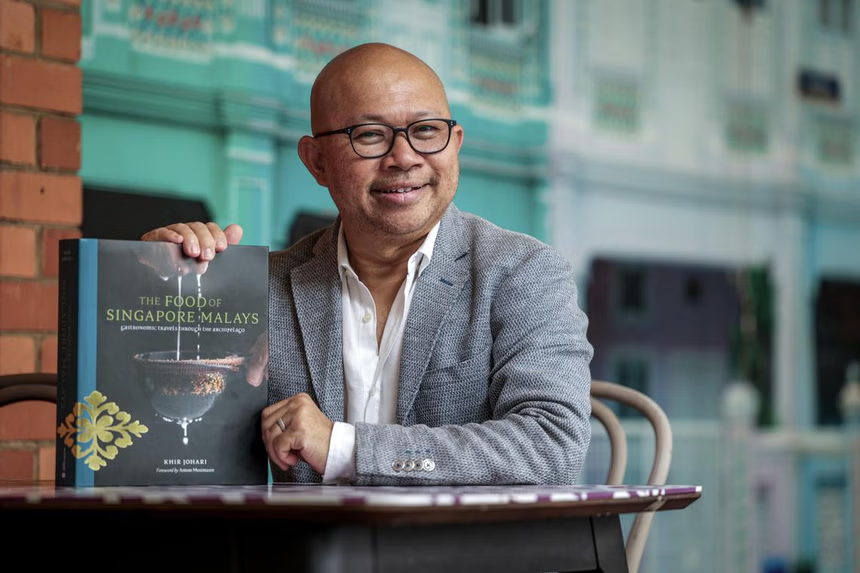
- Khir Johari: Most recently, in 2021, Johari won the prize for his work The Food of Singapore Malays: Gastronomic Travels Through the Archipelago. His book takes a unique look at the culinary traditions of Singapore’s Malay community and explores the cultural significance of food as an integral part of history.
These winners demonstrate the range of topics the prize has covered in the past—spanning trade routes, cultural exchanges, and food heritage. This diversity of subject matter is likely to continue with the expanded eligibility criteria for arts and multimedia.
What’s Next for the NUS Singapore History Prize?
The new changes to the NUS Singapore History Prize are a step forward in adapting the award to meet the needs of the modern world. The inclusion of arts and multimedia not only makes the prize more relevant to contemporary creators but also helps break down traditional barriers between academic history and public engagement.
We can expect to see future winners whose works could be interactive, immersive, and multidisciplinary. This is a perfect opportunity for both historians and creatives to explore new ways of telling the story of Singapore.
The prize will also likely attract more international submissions as the growing global interest in Singapore’s history continues to rise. Scholars and creators from around the world could now be encouraged to participate, leading to an even more diverse range of perspectives on Singapore’s past.
How Can You Apply?
If you’re an aspiring historian, writer, or creator working with Singapore’s history, now is the time to start thinking about how you can contribute to the field. Submissions for the prize will be accepted every three years, with the next round of applications likely opening soon. Be sure to check the NUS History Department’s official website for application details and deadlines.
A Bright Future for the NUS Singapore History Prize
The NUS Singapore History Prize’s decision to double the award money and broaden its eligibility to include arts and multimedia marks a pivotal moment for historical research and creative projects in Singapore. Not only does it elevate the prize itself, but it also fosters an environment where history can be explored and shared in more diverse, accessible ways.
The future of the prize is looking bright, and we can only imagine the exciting works that will emerge from the next generation of scholars and creatives. Whether you are a historian, an artist, or a multimedia creator, this new direction invites you to rethink the boundaries of history and how it is shared with the world.

