Jetstar Asia Shuts Down: What It Means for Passengers and the Future of Budget Travel

Jetstar Asia to Cease Operations: What Travelers Need to Know
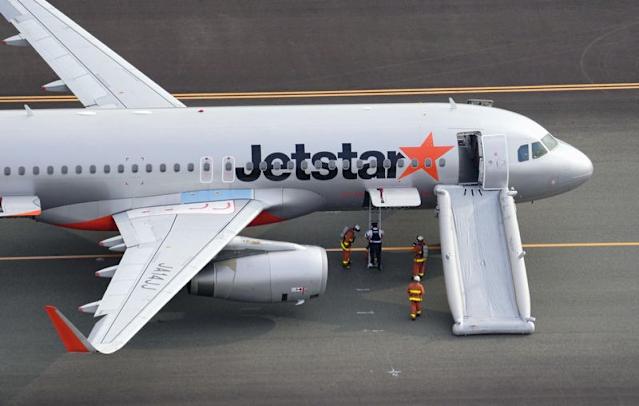
In a significant development for the aviation industry, Qantas Airways has announced the closure of its Singapore-based budget airline, Jetstar Asia, effective July 31, 2025. This decision marks the end of a 20-year journey for the low-cost carrier and has raised questions among travelers about refunds, future bookings, and the broader impact on regional travel.
Why Is Jetstar Asia Closing?
The closure comes as a response to several financial challenges faced by the airline:
- Rising Operational Costs: Supplier costs have surged by up to 200%, significantly impacting profitability.
- High Airport Fees: Increased charges at Changi Airport have added to operational expenses.
- Intensified Competition: Regional carriers like AirAsia and Singapore Airlines have intensified market competition, affecting Jetstar Asia’s market share.
Despite efforts to remain competitive, Jetstar Asia is projected to incur a A$35 million loss for the current fiscal year. Consequently, Qantas has decided to cease operations and redeploy Jetstar Asia’s 13 Airbus A320 aircraft to its Australian and New Zealand operations .
What Does This Mean for Passengers?
Existing Bookings
If you have an upcoming flight with Jetstar Asia:
- Check for Cancellations: Monitor your email and the Jetstar Asia website for updates on your flight status.
- Refunds and Credits: The airline is expected to provide information on refund processes. It’s advisable to initiate refund requests promptly to avoid delays.
- Alternative Arrangements: Consider booking with other carriers operating on similar routes. Airlines like Singapore Airlines, Scoot, and AirAsia offer services to many of Jetstar Asia’s destinations.
Future Bookings
For those planning to travel after July 31, 2025:
- Alternative Airlines: Explore other budget carriers operating in the region. Ensure to compare prices, routes, and services to find the best fit for your travel needs.
- Travel Insurance: If you have existing travel insurance, check if it covers cancellations due to airline closures. Contact your provider for specific details.
Impact on Employees
The closure of Jetstar Asia will result in the loss of up to 500 jobs. Qantas has committed to providing redundancy benefits and job placement support to affected employees. Additionally, the airline is working with the Singapore government and trade unions to facilitate job transitions within the aviation industry .
What’s Next for Jetstar Asia’s Fleet?
Jetstar Asia’s 13 Airbus A320 aircraft will be redeployed to Jetstar’s operations in Australia and New Zealand, as well as to QantasLink’s Western Australia services. This strategic move is part of Qantas’s broader plan to reinvest up to A$500 million into its core operations and fleet renewal .
Broader Implications for Regional Travel
The closure of Jetstar Asia reflects broader challenges in the regional aviation market:
- Consolidation of Low-Cost Carriers: The move may lead to further consolidation among budget airlines in Southeast Asia.
- Increased Competition: Remaining carriers may intensify competition, potentially leading to better services and pricing for consumers.
- Operational Adjustments: Airports and ground services may need to adjust to the reduced number of carriers operating in the region.
Final Thoughts
The closure of Jetstar Asia is a significant event in the aviation industry, particularly for travelers accustomed to its budget-friendly services. While the transition may cause short-term disruptions, it also opens opportunities for other carriers to fill the gap and for travelers to explore new options.
For the latest updates and information on refunds or alternative arrangements, visit the official Jetstar Asia website or contact their customer service.