
Beyond the Courtroom: How Non-Practising Lawyers Help Keep the Legal System Strong

More Than Just Courtroom Heroes
When we think of lawyers, we often picture sharp suits, passionate courtroom debates, and high-stakes legal drama. But there’s a whole group of legal professionals who never set foot in a courtroom—and yet, they play a crucial role in maintaining public trust and keeping the rule of law alive.
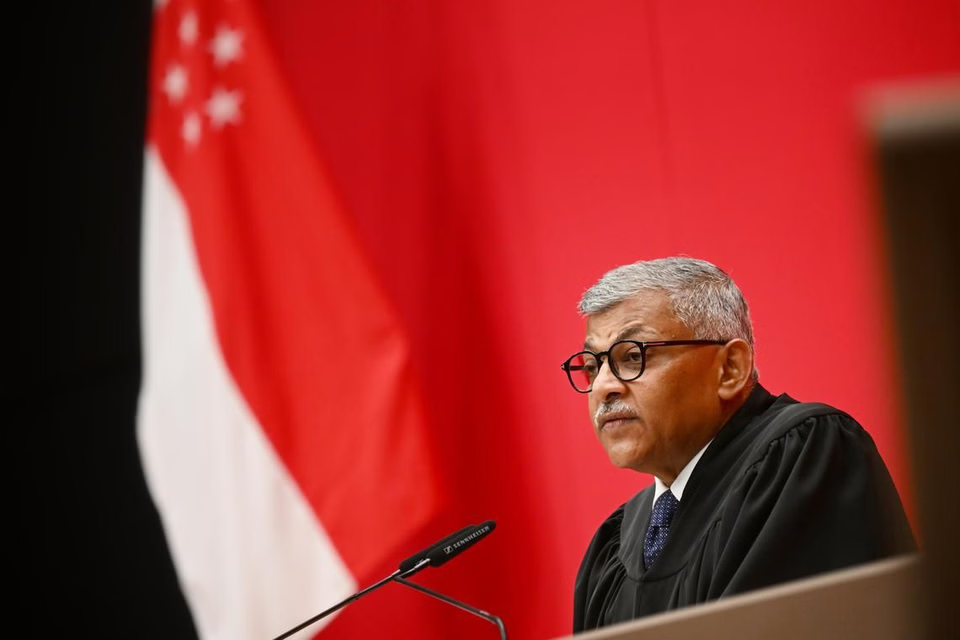
Singapore’s Chief Justice recently reminded the public of an important truth: non-practising lawyers, even though they don’t argue cases or give legal advice, are still key players in the legal ecosystem.
So, who exactly are they? And why do they matter so much?
Who Are Non-Practising Lawyers?
Not in Court—But Still in the Game
Non-practising lawyers are trained legal professionals who, for one reason or another, don’t hold a current practising certificate. This means they can’t appear in court or advise clients as lawyers. But that doesn’t mean they’ve left the legal world behind.
What Can They Do Instead?
These professionals often take on roles in business, education, public service, or policy. Some become in-house legal counsel at companies. Others teach law at universities. Some work on crafting legislation or advising government bodies.
In all these roles, they bring their legal knowledge and ethical grounding to the table—and that can make a big difference.
Why Non-Practising Lawyers Still Matter
The Rule of Law Isn’t Just a Legal Concept
The rule of law is about more than just laws on paper. It’s about fairness, accountability, and trust. For the system to work, people need to believe in it—and that belief is built on the actions and reputation of legal professionals, whether they’re in court or not.
Non-practising lawyers still carry the weight of their legal training. The way they behave, make decisions, and handle ethical challenges reflects on the legal profession as a whole.
Trust Is Easy to Lose—Hard to Earn Back
Chief Justice Sundaresh Menon emphasized that missteps—even outside the courtroom—can damage public confidence in the legal system. Whether a lawyer is teaching students or sitting on a corporate board, their actions influence how people view justice, fairness, and integrity.
The Many Hats Non-Practising Lawyers Wear
In-House Counsel: Law Meets Business
In the corporate world, many companies hire lawyers to work internally. These legal minds help businesses stay compliant with regulations, avoid legal risks, and make responsible decisions. They’re not giving advice to the public—but they’re ensuring companies act ethically and within the law.
Legal Academia: Shaping the Future
Teaching law is another powerful avenue. Law professors train future generations of lawyers, judges, and policymakers. They also contribute to legal research, helping to shape how laws evolve over time.
Policy and Governance: Behind-the-Scenes Influence
Non-practising lawyers working in policy help write, analyze, and refine the very laws that govern us. Their understanding of legal principles ensures that new regulations are fair, enforceable, and aligned with constitutional values.
Ethics and Responsibility Don’t Disappear
One of the key messages from Chief Justice Menon was this: stepping away from practising law doesn’t mean stepping away from responsibility.
Non-practising lawyers still carry the public’s expectations. Their choices and behavior reflect not just on themselves, but on the wider legal system. The line between legal ethics and professional conduct remains sharp—even when no court appearance is involved.
Why This Matters for Everyone
Whether you’ve dealt with lawyers or not, your life is affected by the legal system. From the rules businesses follow to the protections in place at work, or even the fairness of public policies—lawyers play a role in shaping the structures we live under.
That’s why it matters that all lawyers—practising or not—uphold integrity and responsibility. When they do, we all benefit from a legal system that’s more trustworthy, fair, and stable.
Looking Ahead: Embracing Broader Legal Roles
The modern legal world is changing. There’s growing recognition that the role of a lawyer extends beyond traditional courtroom advocacy. Many contribute behind the scenes, in ways that are just as impactful—sometimes more so.
By highlighting the importance of non-practising lawyers, Singapore’s Chief Justice is encouraging a more inclusive view of the legal profession—one that values character, contribution, and commitment, no matter where a lawyer ends up.
The Legal System Needs All Kinds of Lawyers
Practising or not, lawyers have a duty to uphold justice and maintain the public’s trust in the legal system. Non-practising lawyers may work behind the scenes, but their impact is wide-reaching and deeply important.
Their roles in education, business, and public service help keep the wheels of justice turning smoothly. And in today’s complex world, that’s more valuable than ever.

