
Are Singaporeans Worried About Retirement? Patrick Chang Says ‘Protirement’ Is the Key

Retirement Redefined: A Fresh Take on Life After Work
Retirement is often seen as the time to relax and enjoy the fruits of one’s labor. But for many Singaporeans, the traditional idea of retirement—where you stop working completely—isn’t quite as appealing as it used to be. Instead, some are looking for something more fulfilling in their later years. Financial advisor Patrick Chang is leading the charge for a new way of thinking about retirement, one that he calls “protirement.”
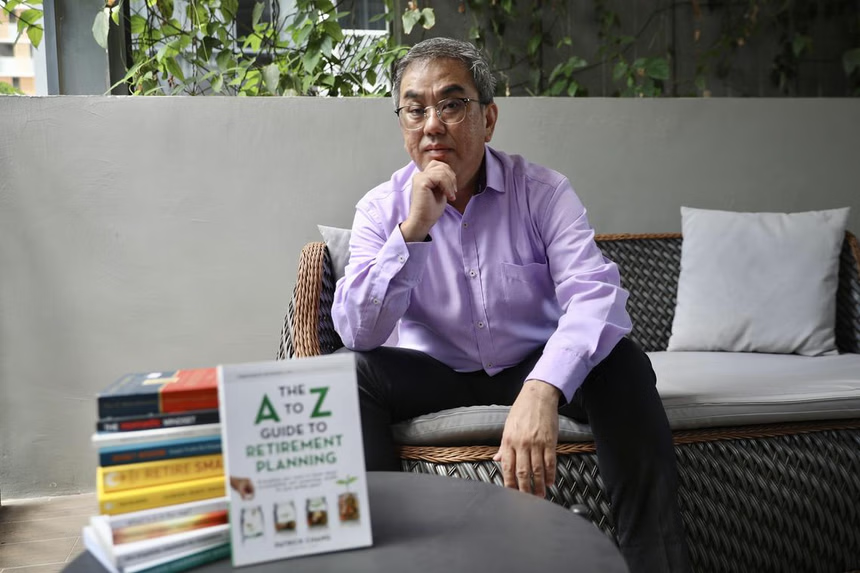
Chang, 58, isn’t just another financial advisor; he’s on a mission to change how we think about retirement. He’s written books, including The A to Z Guide to Retirement Planning: Everything You Need to Know About Accumulating and Preserving Wealth for Your Golden Years (2016), and is working on a second book, Retire Retirement, Welcome Protirement: The Essentials A to Z. But it’s his advocacy for protirement that’s grabbing attention, offering a fresh take on life after work.
What Is Protirement?
The idea of protirement isn’t new. It was first coined in the 1960s and refers to a retirement strategy that doesn’t necessarily involve fully quitting work. Instead, protirement is about stepping away from traditional, full-time professional work to pursue something more rewarding.
For Patrick Chang, protirement is about finding purpose after leaving the 9-to-5 grind. He believes that retirement should be a time when individuals can focus on things they are passionate about—whether it’s a new career, a hobby, or mentoring younger generations. Essentially, it’s about finding fulfillment, not just sitting back and relaxing.
Why Are More Singaporeans Interested in Protirement?
With an aging population and increasing life expectancy, many Singaporeans are beginning to rethink traditional retirement. A recent study revealed that many people in Singapore are worried about having enough money saved for their later years. The cost of living is high, and the standard retirement plan often seems insufficient to cover the long lifespan that modern medicine and healthcare allow.
But it’s not just about finances. Singaporeans are also becoming more aware of the need for continued engagement in society. People want to stay active, maintain their mental sharpness, and keep contributing to their communities in some way. This has sparked the conversation about protirement as a way to balance work and leisure in later years.
Protirement: A New Chapter of Life
While traditional retirement has often been associated with stopping work completely, protirement focuses on finding something meaningful and fulfilling. Rather than simply leaving the workforce, protirement encourages individuals to explore new avenues in their careers or to dive into personal interests that bring joy and satisfaction.
For example, a retired engineer might take up teaching or mentoring younger professionals in their field. A former entrepreneur could start a consulting business, helping others learn from their experiences. Or, someone with a love for the arts might devote more time to painting, writing, or even pursuing a hobby they’ve always had a passion for.
Protirement isn’t about working nonstop. It’s about creating a balance between work and leisure, and focusing on what brings you the most happiness. This can be especially fulfilling as individuals are able to share their years of experience, knowledge, and wisdom with others.
The Benefits of Protirement
Protirement comes with many advantages. Some of the main benefits include:
1. Continued Purpose and Engagement
When people retire and stop working altogether, they may experience a loss of purpose. Protirement offers a solution to that by encouraging people to stay involved in meaningful work, whether it’s through teaching, mentoring, or pursuing new personal projects.
2. Mental and Physical Health
Staying active in later years can have numerous benefits for mental and physical health. Engaging in new activities or pursuing hobbies can keep the brain sharp, reduce stress, and help retirees stay healthier and more energetic.
3. Sharing Knowledge and Giving Back
Protirement allows older individuals to pass down their skills and experiences to younger generations. Mentorship and teaching can be incredibly rewarding, not only for the person being mentored but for the mentor as well. Giving back to society can create a sense of accomplishment and fulfillment.
4. More Control and Flexibility
Protirement also gives people more control over their time. Rather than being tied to the demands of a full-time job, individuals can decide how they want to spend their time. This flexibility allows for a better work-life balance, where you can devote more time to personal projects, family, or travel.
How Protirement Works in Singapore
In Singapore, there are several programs and initiatives that support protirement. The government has been actively working to address the challenges of an aging population, including introducing policies that encourage older workers to remain in the workforce for as long as they are able.
One of these initiatives is the Re-employment Act, which allows individuals to continue working beyond the official retirement age of 62, as long as they are willing and able to contribute. This law is a key part of Singapore’s broader strategy to enable its aging population to stay active and engaged in the workforce longer.
Additionally, the Workfare Income Supplement helps provide financial assistance to older workers who wish to continue working part-time or take on other forms of employment. This enables people to gradually transition into protirement rather than stopping work entirely.
Is Protirement for Everyone?
While protirement offers many advantages, it may not be for everyone. For some people, fully retiring and spending time with family, traveling, or enjoying hobbies may be more fulfilling than continuing to work in some form. It’s important to recognize that everyone’s retirement journey is different.
For those who find joy in staying involved professionally, protirement could be the perfect way to maintain a sense of purpose and engagement in their later years. On the other hand, if someone prefers a more leisurely lifestyle, traditional retirement may be the best option for them.
Rethinking Retirement for a Fulfilling Future
Retirement is no longer just about slowing down—it’s about continuing to grow, learn, and contribute. Patrick Chang’s concept of protirement challenges the traditional view of retirement, offering a fresh perspective that encourages people to pursue what truly makes them happy. It’s a way to stay engaged, share knowledge, and keep contributing to society in meaningful ways, long after the traditional retirement age.
For many Singaporeans, protirement represents an exciting new chapter, where work isn’t just about earning a paycheck but about finding fulfillment in meaningful endeavors. As the country continues to adapt to an aging population, protirement could be a way forward, providing a healthier, more active, and purposeful way of living in one’s golden years.