
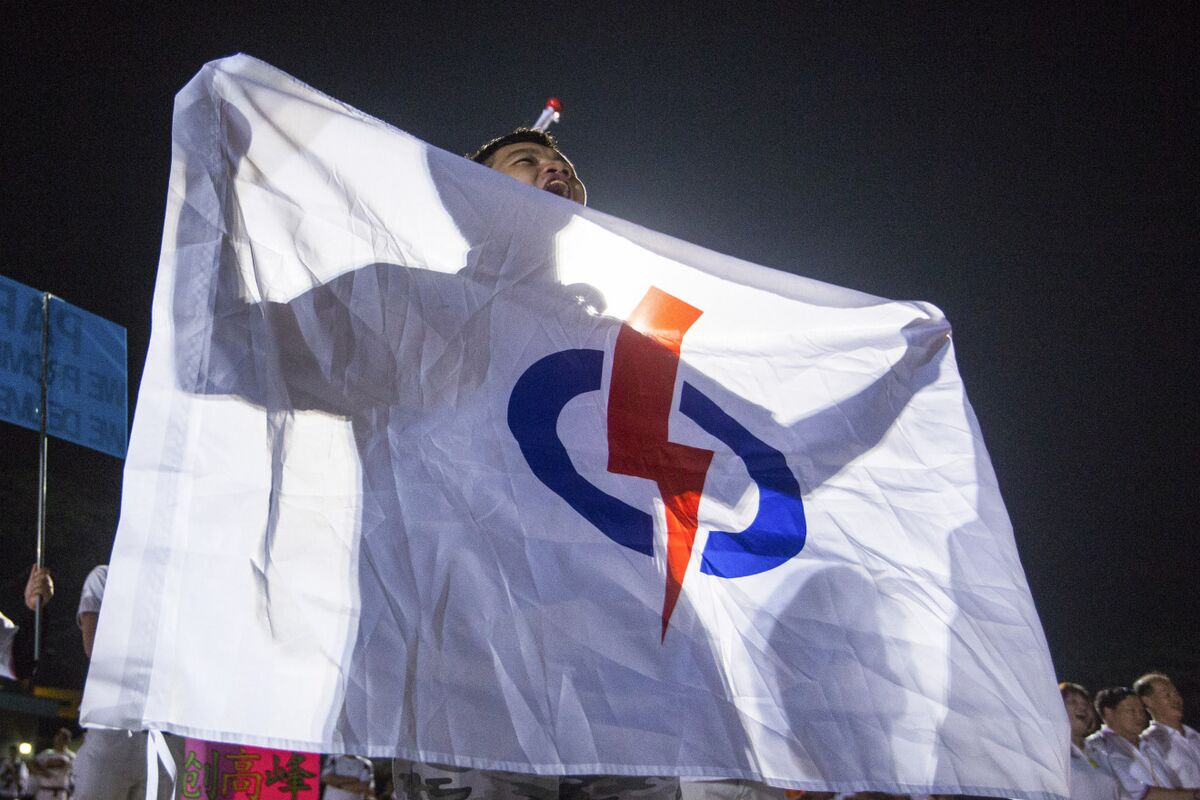
Singapore’s Ruling Party Remains Strong in Polls, But Opponents Are Gaining Ground

YouGov Survey Shows People’s Action Party Leading with 40% Support as Election Looms
Singapore’s ruling party, the People’s Action Party (PAP), has maintained its strong hold on the nation’s politics for over 60 years, and recent survey results suggest that its dominance is far from over. However, the latest polling data shows that there are signs of growing support for opposition groups, particularly the Workers’ Party. If a general election were held today, PAP would still secure a significant portion of the vote, but there could be changes ahead.
In this article, we break down the key findings of the YouGov survey, explore the rise of opposition parties, and discuss what this could mean for Singapore’s political future.
People’s Action Party: Still Leading the Race
According to a YouGov survey conducted between March 25 and April 1, Singapore’s People’s Action Party (PAP) is still the frontrunner in public opinion. Despite the country’s rapidly changing political landscape, PAP continues to dominate the political scene with approximately 40% of respondents saying they would vote for the ruling party in a general election.
This result isn’t surprising, given that PAP has been in power for more than six decades. The party, led by Prime Minister Lee Hsien Loong, has built a reputation for political stability and economic growth. Under PAP’s leadership, Singapore has transformed into one of the world’s most prosperous nations, known for its robust economy, efficient infrastructure, and strong global standing.
However, it’s important to note that PAP’s support is not as overwhelming as it once was. Despite leading, the party has seen a decline in popularity compared to past elections, and competition is now on the rise.
Opposition Parties Gaining Traction
While PAP remains the strongest party, the Workers’ Party (WP) is making notable strides. According to the survey, 12% of respondents said they would support the Workers’ Party, making them the leading opposition group in Singapore. Although this is still a significant gap compared to PAP’s lead, it marks a growing interest in alternatives to the long-time ruling party.
The Workers’ Party has gained attention for its active participation in Parliament and its relatively moderate approach to opposition politics. Unlike some of the more radical opposition parties, WP has focused on addressing local issues such as housing affordability, social welfare, and income inequality. Many Singaporeans see WP as a reasonable choice for those seeking change without dramatic shifts in policy.
Another interesting trend emerging from the survey is the small but steady support for other opposition parties. These include groups like the Singapore People’s Party, Singapore Democratic Party, National Solidarity Party, and Progress Singapore Party. Each of these parties garnered 1% of the vote in the survey.
Although these parties are still far behind in terms of popularity, their presence indicates that some voters are exploring alternative political options. While their support is relatively low, this could signal a shift in the political landscape, especially if they manage to consolidate more support in the upcoming elections.
The Changing Political Landscape
For years, Singapore’s political system has been characterized by a dominant-party system, with the PAP easily winning most elections. However, this new polling data shows that the political landscape is slowly evolving. Singaporeans, especially younger voters, are becoming more engaged in politics and seeking greater diversity in political representation.
In recent years, the country has witnessed more open discussions about key social and economic issues, including the cost of living, healthcare, and inequality. As these discussions evolve, the support for opposition parties, particularly the Workers’ Party, is expected to grow.
Moreover, the global political climate has also played a role in shaping public opinion in Singapore. Economic disruptions caused by the pandemic, increasing public demand for political accountability, and rising awareness about global social movements have all contributed to the changing attitudes toward PAP’s long-standing rule.
What This Means for Singapore’s Future
While PAP’s position as the dominant party remains strong, the rise of opposition support could lead to a more competitive political environment in the near future. Singaporeans, particularly younger voters, are increasingly looking for change, and opposition parties are capitalizing on this desire for greater political variety.
For PAP, this trend presents both a challenge and an opportunity. On one hand, they will need to work harder to maintain their traditional base of support, especially as opposition groups become more active and vocal. On the other hand, the growing presence of opposition parties could also lead to more robust political debates and a more dynamic parliamentary process in the coming years.
As the next general election approaches, political analysts will be closely watching how these trends unfold. Will the PAP manage to maintain its dominance, or will the Workers’ Party and other opposition groups gain more ground? Only time will tell.
A New Era for Singapore Politics?
The recent YouGov survey results highlight an evolving political scene in Singapore. While the People’s Action Party continues to lead, opposition groups—especially the Workers’ Party—are beginning to challenge the status quo. This shift signals that Singaporeans are becoming more open to diverse political views and are increasingly engaging with the issues that matter most to them.
As Singapore moves forward, the country’s political landscape is likely to become more competitive and dynamic. With more parties participating in the national conversation, the future of Singapore’s democracy looks poised for significant change. Whether this will lead to a major shakeup in the upcoming election or not, one thing is clear: the political atmosphere in Singapore is evolving, and the next election will be one to watch closely.