
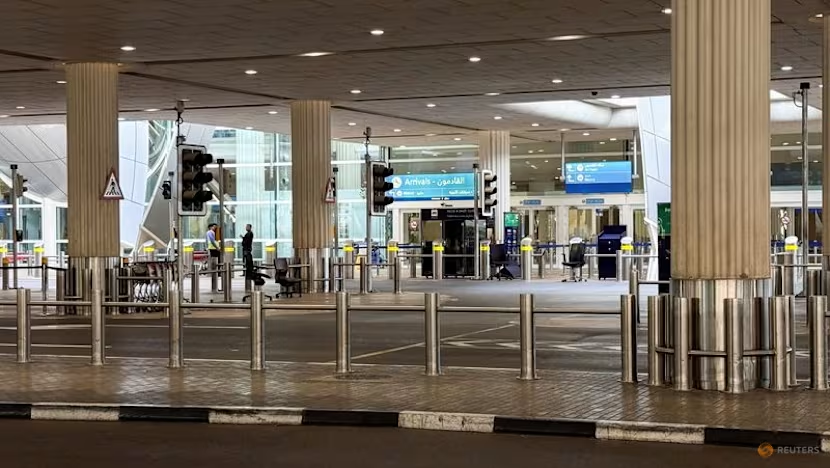

Singaporeans stranded abroad due to airspace closures across the Middle East are facing growing uncertainty and rising costs as their travel plans are disrupted. The closures followed recent U.S. and Israeli strikes on Iran, which have forced airlines to reroute or cancel flights, leaving travelers in limbo.
Uncertainty and Financial Pressure
Singaporeans currently affected say the situation remains calm, but the lack of a clear timeline for departing is creating anxiety. Many travelers are worried about the extra expenses for accommodation, meals, and transportation while they wait for flights to resume.
Travel agencies in Singapore are assisting where possible, but with limited flight options, some travelers are forced to extend hotel stays at their own cost, adding financial strain to an already stressful situation.
Agencies Step In
Local travel agencies have offered support in the form of:
- Rescheduling flights through alternative routes
- Extending accommodations for stranded travelers
- Providing updates on airline operations and flight availability
- Offering refunds or credit for canceled trips
Some agencies have even covered hotel extensions out of pocket for customers, highlighting the industry’s commitment to traveler safety.
Travelers Share Experiences
Many Singaporeans have reported feeling stuck between options, unsure when they will be able to leave or how to manage additional costs. While most remain calm, the financial burden of extended stays is weighing heavily, especially for long-haul travelers with multiple stopovers affected by the airspace closures.
Advice for Affected Travelers
Authorities and travel agencies recommend:
- Staying in contact with airlines and travel providers for real-time updates
- Avoiding unnecessary travel to airports until flights are confirmed
- Exploring alternative routes or destinations to minimize delays
- Keeping records of extra expenses for possible reimbursement
The ongoing disruptions serve as a reminder of the broader impact of geopolitical events on global travel and the importance of contingency planning.

