G-7 Calls for Calm in Middle East as Trump Abruptly Exits Summit Amid Israel-Iran Tensions

Tensions Rise as Trump Leaves G-7 Early
World leaders at the Group of Seven (G-7) summit called for urgent de-escalation in the Middle East on June 16, as military conflict between Israel and Iran intensified. The call for calm came on the same day that US President Donald Trump made a surprise early exit from the summit, cutting short his return to international diplomacy.
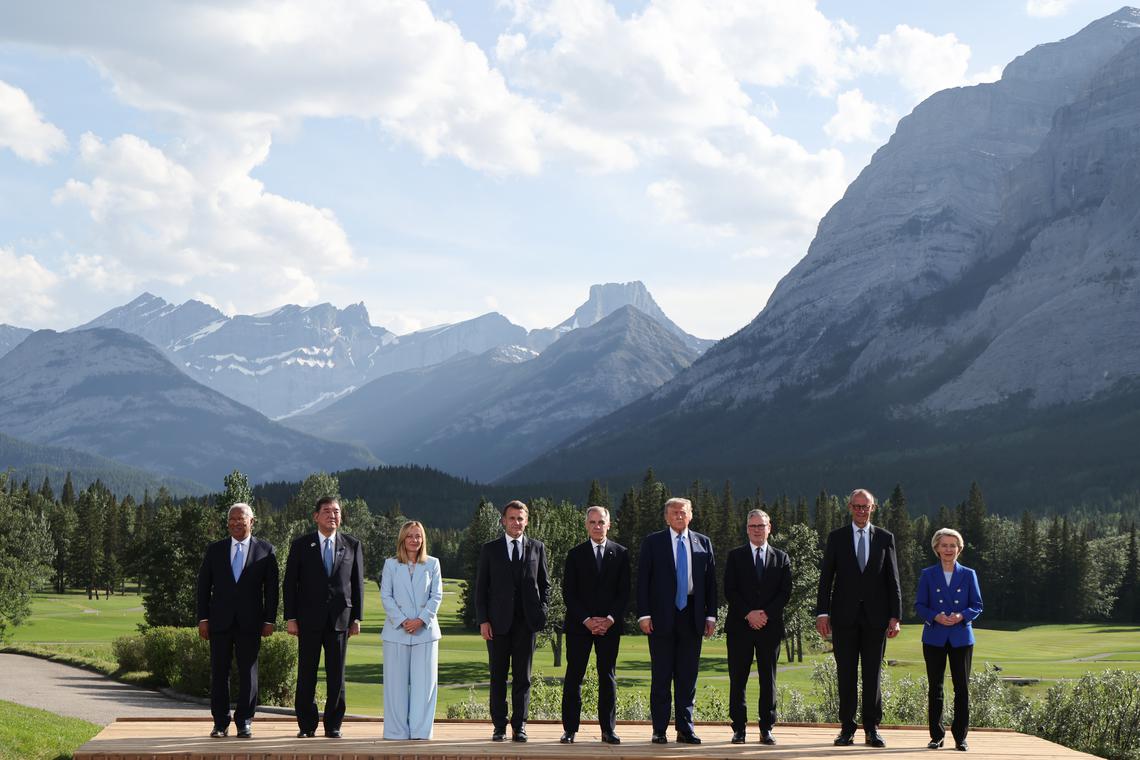
Trump’s departure added tension to an already delicate summit, held in the scenic Canadian Rockies, where leaders hoped to show unity in the face of growing global instability.
G-7’s Message: Step Back From the Brink
The G-7 leaders—representing the world’s most advanced economies—issued a collective appeal for “de-escalation,” urging all parties involved in the Middle East crisis, especially Israel and Iran, to avoid further military confrontation and return to diplomatic engagement.
The statement underscored the need for regional stability, humanitarian protection, and a commitment to international law. Several leaders emphasized that further escalation could have devastating consequences for civilians and global security.
Trump’s Sudden Exit Raises Eyebrows
President Trump’s early departure from the summit caught many by surprise. His team cited “pressing national security matters” as the reason—closely tied to the deepening Israel-Iran conflict. While other leaders stayed on for scheduled climate and economic discussions, Trump left a day early after holding limited bilateral meetings.
Observers say his sudden exit not only disrupted the summit’s unity but also reflected his administration’s hardline stance on Iran and unwavering support for Israel.
A Warning Tweet to Tehran
Shortly after departing, Trump posted a striking message on social media directed at Iran’s leadership—particularly the citizens of Tehran, a city of nearly 10 million people. While details were vague, the tone was seen as a stark warning, signaling that Washington was watching the unfolding conflict closely and could respond if provoked.
The tweet added fuel to speculation about potential US involvement or escalation in the region, even as the G-7 tried to promote a path of diplomacy and restraint.
Global Concerns Mount
The Middle East crisis dominated much of the summit’s private discussions. Leaders from Canada, the UK, France, Germany, Japan, and Italy expressed concern about potential spillover effects—both humanitarian and economic. Energy markets remain on edge, and fears of a broader regional war are rising.
Many urged that global powers should prioritize negotiations and avoid the kind of military escalation that could destabilize an already fragile region.
What Happens Next?
With the G-7’s diplomatic appeal now public and Trump’s warning echoing across international headlines, attention turns to the next steps from Israel, Iran, and the United States. Whether the call for calm will be heeded remains to be seen.
Meanwhile, G-7 leaders have pledged continued communication and coordination to monitor developments and support any movement toward peace.
Final Thoughts
The 2025 G-7 Summit was meant to showcase global unity on economic and environmental challenges, but instead, it was overshadowed by military tensions in the Middle East and a dramatic early exit by the US president.
As the Israel-Iran conflict unfolds, the world is watching closely—hoping that words of caution and diplomacy can outweigh threats of war.