
Singapore’s Diplomatic Balancing Act Faces Harsh Reality
For years, Singapore has carefully navigated a complex geopolitical landscape, maintaining warm ties with both the United States and China. But those days may be numbered.
In a rare and candid statement, Singapore’s Deputy Prime Minister Gan Kim Yong acknowledged that true neutrality may no longer be possible as global tensions intensify — especially between the world’s two largest economies.
“The Middle Road Is Becoming a Knife’s Edge”
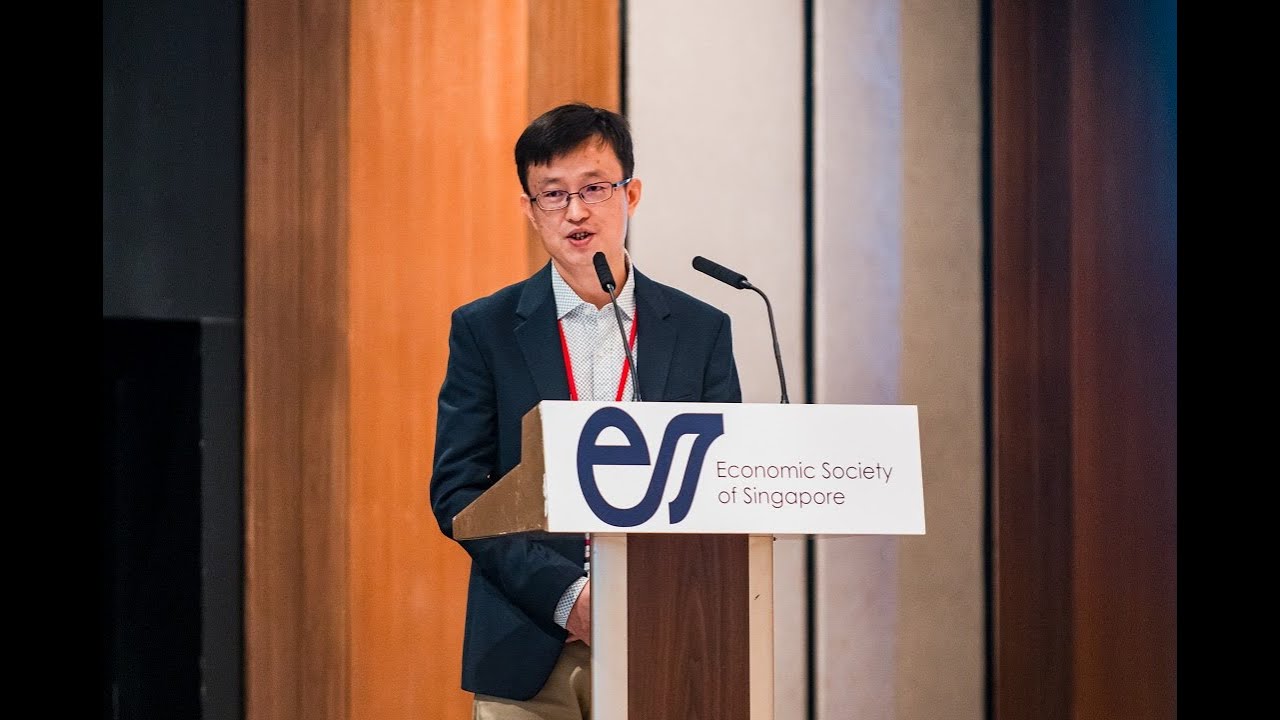
Speaking at a high-profile conference hosted by UBS Group AG in Singapore, Gan painted a stark picture of the country’s shrinking room for maneuver.
“If you try to be neutral and walk the middle road, the road is getting narrower and narrower. Eventually, you will be on a knife’s edge, and you won’t be able to stand on it,” he said.
This vivid metaphor underscores the growing difficulty small nations like Singapore face when navigating increasingly polarized global politics.
Choosing Sides Based on Principles, Not Pressure
Gan made it clear that Singapore will not make decisions based on external pressure — but rather on its core values and principles.
“The key is we have to take sides, we have to take a position. But we must do so based on principles,” he emphasized.
This approach marks a notable shift from Singapore’s traditional policy of carefully measured diplomacy. The city-state has long been viewed as a neutral ground in Asia — a place where global superpowers could engage without feeling challenged. But as the rivalry between the U.S. and China intensifies, that neutrality is becoming harder to maintain.
Why Singapore’s Stance Matters
Though small in size, Singapore plays a big role in the global economy and geopolitics. It is a key financial hub, a major player in ASEAN, and a trusted partner for both East and West. Its ports are among the busiest in the world, and it has longstanding military, economic, and technological ties with the U.S., China, and other global powers.
When Singapore signals a change in tone — especially on something as sensitive as geopolitical alignment — the world listens.
Gan’s comments also suggest that Singapore may take a more vocal stance on global issues moving forward, rather than trying to stay above the fray.
U.S.–China Rivalry Putting Pressure on the Region
Tensions between the U.S. and China continue to rise — from disputes over trade, technology, and Taiwan, to competition over military influence in the Indo-Pacific. This rivalry is creating serious challenges for countries that rely on good relations with both powers.
Gan’s comments reflect the new geopolitical reality: staying silent or neutral is no longer a sustainable strategy.
The implication is that countries must now prepare to defend their values and interests — even if that means disappointing one side or the other.
Not Picking Sides — But Picking Principles
Despite the headline-grabbing quote, Singapore isn’t saying it will blindly choose one superpower over another. Instead, Gan is advocating for principled engagement — where decisions are based on fairness, sovereignty, international law, and the rule of law.
This is in line with Singapore’s broader foreign policy approach: be respectful of all, but firm when it comes to its own interests and beliefs.
What This Means for Asia and Beyond
Gan’s remarks signal a turning point for smaller nations in Asia. For a long time, countries in the region have tried to avoid taking sides in the U.S.–China rivalry. But now, many are being forced to rethink their strategies.
With Singapore openly acknowledging the limits of neutrality, others may soon follow suit. The age of quiet diplomacy may be giving way to value-based diplomacy, where principles outweigh pragmatism.
Final Thoughts: A Bold Statement in Uncertain Times
Deputy Prime Minister Gan Kim Yong’s speech wasn’t just about Singapore’s foreign policy — it was a reflection of the global crossroads we all face. As the world grows more divided, standing still is no longer an option.
For Singapore, a country that has long thrived on being a neutral bridge between East and West, the next chapter may be one where courage, clarity, and conviction replace careful silence.