
Singapore to Extradite Fugitive Businessman to Indonesia: First Case Under New Treaty

In a significant development, Singapore has agreed to work with Indonesia on extraditing a fugitive businessman who faces corruption charges in Indonesia. This marks the first case under a new extradition treaty between the two countries. The businessman, Paulus Tannos, was arrested in Singapore earlier this year and is now set to face legal proceedings in Indonesia.
This development highlights the growing cooperation between Singapore and Indonesia in tackling cross-border crime and ensuring justice is served. Here’s what we know about this case and what it means for both nations.
Who Is Paulus Tannos?
Paulus Tannos, also known as Tjhin Thian Po, is an Indonesian businessman in his 60s. He was arrested in Singapore on January 17 in connection with a corruption case in Indonesia. According to the Indonesian authorities, Tannos is allegedly involved in a major corruption scandal that has caught the attention of law enforcement agencies in both countries.
Tannos, who is said to have significant business interests in Indonesia, was detained under Singapore’s legal framework and is now awaiting the process of extradition. The case has been under close scrutiny due to its nature and the importance of international cooperation in fighting corruption and financial crimes.
Extradition Request: What Does It Mean for Both Countries?
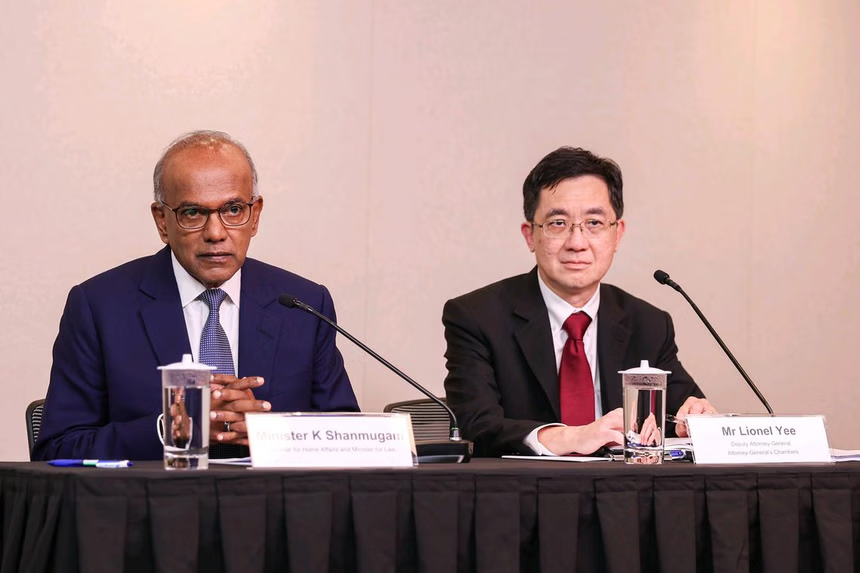
In a statement released on March 10, 2025, Singapore’s Ministry of Law (MinLaw) confirmed that it had received a formal extradition request from Indonesia on February 24, 2025. This request follows the enforcement of a new treaty between Singapore and Indonesia, which allows for the extradition of individuals involved in serious criminal activities, including corruption, between the two countries.
The treaty, which came into force recently, represents a significant step forward in bilateral cooperation. It provides a legal framework for both countries to request the return of fugitives who are suspected of serious crimes, including financial corruption. This agreement enhances the ability of both Singapore and Indonesia to tackle cross-border crime more effectively, making it harder for criminals to evade justice by fleeing to another country.
A Historic Extradition Case
The extradition request for Paulus Tannos is the first of its kind since the extradition treaty came into effect. This makes it a historic case and sets a precedent for future cases under the new agreement. The treaty is expected to strengthen the relationship between the two countries and improve their ability to combat corruption and other serious crimes that cross their borders.
The case also demonstrates the growing importance of international cooperation in fighting crime. As globalization increases, criminals are often able to escape justice by fleeing to countries where they are less likely to face prosecution. Treaties like the one between Singapore and Indonesia are crucial in ensuring that individuals who commit serious crimes are held accountable, no matter where they are located.
The Extradition Process: What Happens Next?
Following the receipt of the formal request, Singapore will now go through the legal process required for extradition. The request will be carefully reviewed under the provisions of the treaty. If the legal requirements are met, Paulus Tannos will be handed over to Indonesian authorities to face charges in connection with the alleged corruption case.
It’s important to note that the extradition process involves several steps, including a review of the evidence presented by Indonesian authorities, as well as legal considerations about the fairness of the trial Tannos would face in Indonesia. While the process may take time, the fact that the extradition treaty is in place makes it easier for both countries to navigate such cases and ensure justice is served.
What Does This Case Mean for Singapore and Indonesia?
For both Singapore and Indonesia, this case marks a major milestone in their legal and diplomatic relations. The extradition treaty is a reflection of the growing partnership between the two nations, particularly in their shared efforts to combat corruption and other crimes.
Indonesia, which has been making efforts to clean up corruption and improve transparency in both the public and private sectors, will view this case as an important victory. Extraditing a suspected fugitive to face charges is an important step in holding individuals accountable for their actions, regardless of where they try to escape.
For Singapore, the case also emphasizes its commitment to upholding rule of law and being an active player in international cooperation on law enforcement. The country has long been recognized for its strict legal system and its dedication to combating corruption. This extradition case highlights Singapore’s continued focus on accountability and justice at both the national and international levels.
Why Is This Extradition Important for Fighting Corruption?
Extraditing individuals like Paulus Tannos is critical in the ongoing global effort to fight corruption and financial crime. Corruption not only undermines the rule of law but also hurts economies and communities, especially in countries where corrupt practices are entrenched. By cooperating across borders, countries like Singapore and Indonesia send a strong message that those who engage in criminal activities cannot hide from justice simply by fleeing to another country.
This extradition case also serves as a reminder of the importance of international treaties in maintaining a fair and effective legal system. With increasing cross-border crime, treaties such as the one between Singapore and Indonesia are vital in ensuring that justice can be served no matter where a suspect attempts to flee.
A Step Toward Stronger International Cooperation
The extradition of Paulus Tannos will be closely watched as it sets a significant precedent under the new treaty between Singapore and Indonesia. This case marks an important moment in both nations’ efforts to tackle corruption, financial crime, and cross-border crime. By working together, Singapore and Indonesia are sending a powerful message about their commitment to justice and accountability.
As the process continues, the world will be watching to see how this case unfolds and what it means for the future of international law enforcement. For now, this extradition serves as a powerful example of how countries can cooperate to ensure that justice prevails—no matter where the fugitives try to hide.

