
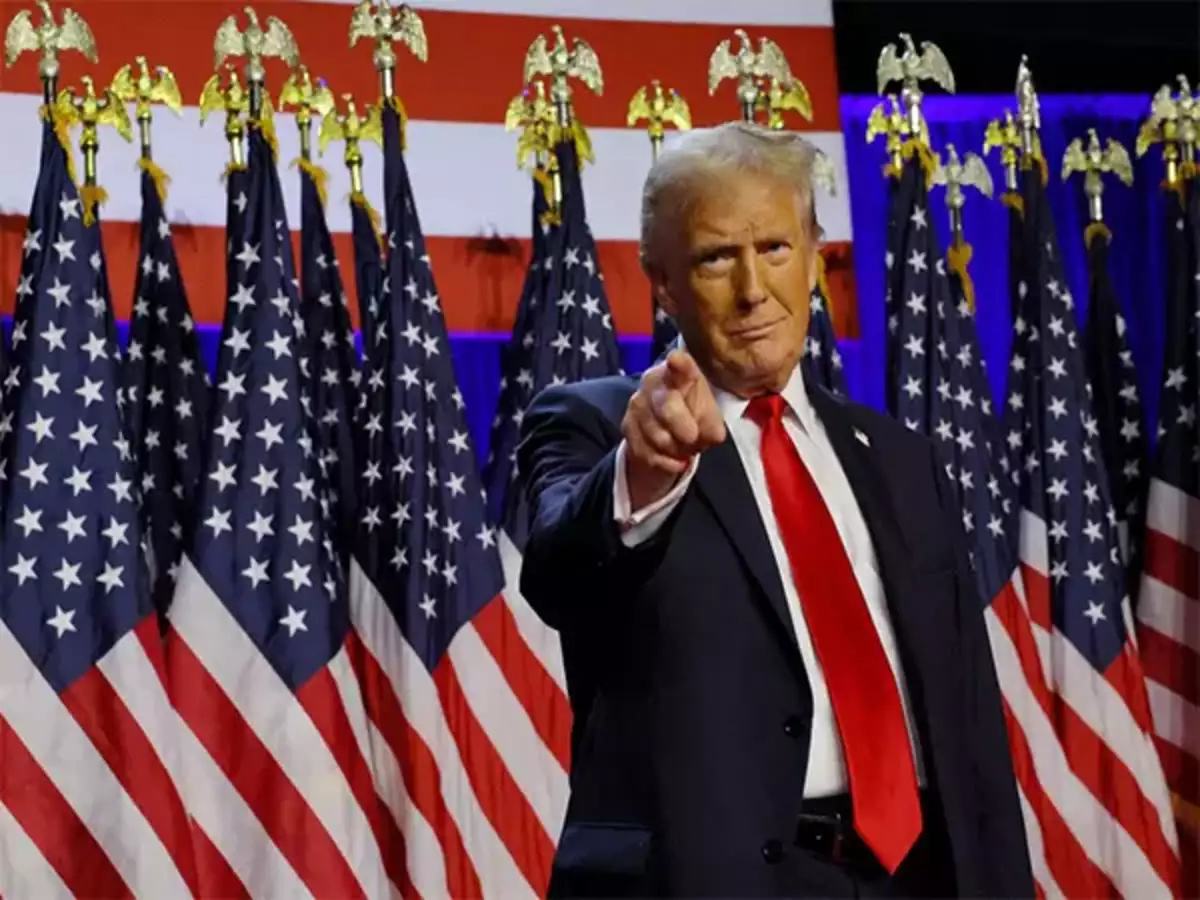

President Donald Trump is making waves with a bold idea that could reshape how the United States handles its finances and international influence. His proposal to create a sovereign wealth fund (SWF) aims to strategically position the U.S. in its growing rivalry with China. But there are still many unanswered questions about how this fund will operate and how it will be financed.
As the U.S. continues its geostrategic competition with China, Trump’s SWF could become a key tool in this economic battle. So, what exactly is this fund, and how could it affect the financial future of both the U.S. and China?
What Is a Sovereign Wealth Fund?
Before diving into Trump’s proposal, let’s break down what a sovereign wealth fund actually is. Simply put, it’s a state-owned investment fund that is typically used to invest in a country’s assets like stocks, bonds, real estate, and even other countries’ companies. Many nations, including Norway and Singapore, already have SWFs that help them manage surplus revenue, diversify investments, and boost national economic strength.
For the U.S., creating its own SWF would mean utilizing government-owned assets to generate wealth. In the case of Trump’s proposal, this could involve a significant focus on assets worth $5.7 trillion currently held by the U.S. government. The fund could target strategic global investments to strengthen the U.S. economy while sending a strong message to rivals like China.
Trump’s Strategy: Targeting China
One of the most significant aspects of Trump’s sovereign wealth fund is how it could be weaponized against China. In recent years, the U.S. and China have found themselves in an ongoing battle over trade policies, technology dominance, and global influence. Trump’s fund could serve as a financial tool to counter China’s growing economic power, especially in areas like technology, infrastructure, and international trade networks.
By investing strategically, the U.S. could focus on areas where China has been expanding its global reach, such as infrastructure projects through its Belt and Road Initiative. The SWF could be used to fund projects that either counterbalance or outperform China’s influence in global markets. In other words, this sovereign wealth fund could be used to shift global economic power back toward the U.S. while simultaneously keeping a close eye on China’s moves.
How Will Trump’s Sovereign Wealth Fund Be Funded?
While the idea of a sovereign wealth fund sounds promising, there are still many questions about how it will be funded. Trump has suggested that the U.S. government’s $5.7 trillion in assets could be the main source of money for the fund. But this raises several important questions:
- What assets are being referred to? The U.S. government holds significant amounts of real estate, military equipment, and other national assets, but the value of these assets can fluctuate, and many are not easily liquidated.
- How will the fund be managed? One challenge of managing such a large fund is deciding where to invest. Investments have to be made carefully to ensure returns that can fund government programs, manage debt, and maintain national security.
- Will taxpayers fund it? Another possibility is that the government could create a mechanism for private investment in the SWF, with private investors contributing to the fund’s overall growth. This would lessen the direct burden on taxpayers while still allowing the U.S. to tap into a powerful economic resource.
Trump has made it clear that his vision is for the fund to operate in a way that generates revenue for American interests, with an emphasis on competing with China’s growing influence.
The Risks and Rewards of Trump’s SWF Proposal
Potential Rewards for the U.S.
- Increased Global Influence: By strategically investing in foreign markets, the U.S. could increase its global influence, particularly in regions where China is pushing its economic agenda.
- Strengthened U.S. Economy: The SWF could be a powerful tool for financing American infrastructure, technology, and military advancements. The fund could generate returns that contribute to economic growth and help offset the national debt.
- Diversified Investments: The fund could diversify U.S. government investments in global markets, reducing the financial risks associated with relying on domestic markets alone.
The Risks Involved
- Political Complications: Given the political landscape in the U.S., there’s always the potential for disagreements over how the SWF should be managed. The question of who controls such a large pool of money could lead to significant political disputes.
- Increased Tension with China: While the SWF could serve as a tool to balance global power, it could also exacerbate tensions with China. If not handled delicately, the fund could lead to even more intense trade wars and economic conflict between the two countries.
- Vulnerability to Global Shocks: Sovereign wealth funds are susceptible to fluctuations in the global market. Economic downturns or political instability could impact the fund’s value and its ability to achieve its goals.
What Will the Future Hold for Trump’s Sovereign Wealth Fund?
While details on Trump’s proposed sovereign wealth fund are still unclear, its potential impact on U.S.-China relations cannot be understated. The fund could become an important part of America’s economic strategy, offering the ability to outmaneuver China’s growing economic power. At the same time, questions about how it will be funded and managed remain pressing concerns.
As the U.S. continues to face challenges on the global stage, a sovereign wealth fund could offer a way to secure its future and strengthen its financial position. However, for this ambitious proposal to succeed, it will require careful planning, sound investments, and strategic decision-making.

